Understanding the Importance of Quality Hand Tools
In the world of woodworking, hand tools are the backbone of quality craftsmanship. Whether you are a hobbyist or a professional, the tools you use can significantly impact the final product. As you progress in your skills, you may find that your current collection no longer meets your needs. Upgrading your hand tool collection can enhance your joinery techniques, improve precision, and elevate the professional finish of your projects.
Signs It's Time to Upgrade
Recognizing the right moment to upgrade your hand tools can be a nuanced decision. Here are some key indicators that it might be time to enhance your collection:
- Outdated Tools: If your tools are showing signs of wear, such as rust, nicks, or dull edges, it may be time to consider new additions.
- Inconsistent Results: If your joinery isn't as tight or your cuts aren't as clean as they used to be, a tool upgrade may be necessary to achieve the precision you desire.
- New Techniques: As you learn advanced woodworking techniques, you may require specialized tools that your current collection lacks.
- Ergonomics and Comfort: If you find that your tools are uncomfortable to use, investing in ergonomic designs can improve your experience and results.
- Professional Standards: If you are pursuing woodworking as a profession, having top-notch tools can make a significant difference in the quality of your work and client satisfaction.
Essential Hand Tools for Advanced Techniques
When considering an upgrade, focus on tools that can enhance your joinery skills and overall precision. Here are some essential hand tools that every serious woodworker should consider:
1. Hand Planes
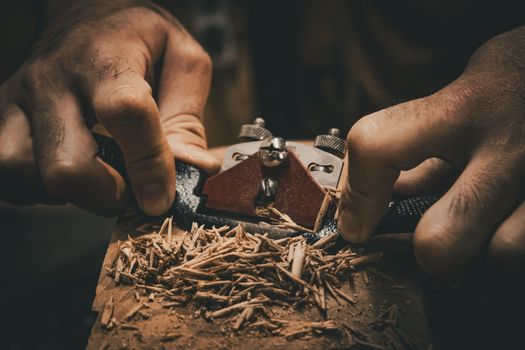
A quality hand plane is crucial for achieving flat surfaces and smooth finishes. Look for adjustable models that allow for fine-tuning of the blade depth and angle. A block plane is also a great addition for chamfering edges and trimming joints.
2. Chisels
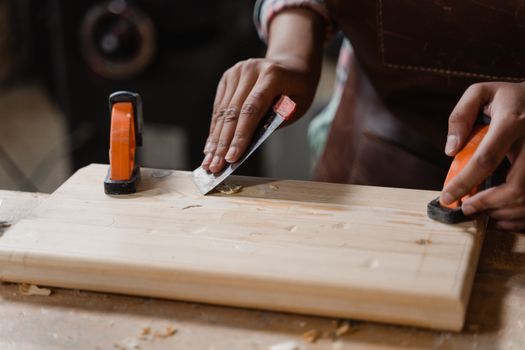
Investing in a set of high-quality chisels is essential for precise joinery. Look for chisels made from high-carbon steel, as they maintain their edge longer and provide cleaner cuts. Be sure to include various sizes to accommodate different tasks.
3. Saws
Hand saws are a staple in any woodworker's toolkit. Consider upgrading to a dovetail saw for clean, precise cuts in joinery. A Japanese pull saw can also be a valuable addition, providing a different cutting technique that many find advantageous.
4. Marking Tools
Precision marking tools, such as marking gauges and squares, are vital for achieving accurate measurements and layouts. Invest in a high-quality combination square and a reliable marking gauge to enhance your accuracy.
5. Clamps
While not traditional hand tools, high-quality clamps are essential for ensuring tight joints during glue-ups. Consider upgrading to pipe clamps or parallel clamps for better pressure distribution and stability.
Achieving Professional Finishes
The right tools not only improve your joinery but also help you achieve that sought-after professional finish. Here are some tips to elevate your final product:
- Surface Preparation: Use hand planes and scrapers to prepare surfaces before finishing. This step is crucial for achieving a flawless look.
- Finishing Techniques: Invest in high-quality brushes and applicators for applying finishes. Consider using foam brushes or lint-free cloths to avoid leaving marks.
- Inspection: Always inspect your work under good lighting to identify any imperfections before applying your final finish.
Resource for Plans and Ideas
If you're looking for inspiration or detailed plans to guide your projects, Ted Woodworking offers a comprehensive library of woodworking plans that cater to all skill levels. Their plans can help you utilize your upgraded tools effectively and take your woodworking to the next level.
Conclusion
Upgrading your hand tool collection is an investment in your craft. By recognizing the signs that it's time for an upgrade and choosing the right tools, you can significantly enhance your woodworking skills. Whether you're focusing on advanced joinery techniques or aiming for a professional finish, the right hand tools make all the difference.
FAQ
1. How do I know which hand tools to upgrade first?
Start by evaluating the tools that you use most frequently and those that show signs of wear. Prioritize tools that directly impact your joinery and finish quality.
2. Are expensive hand tools worth the investment?
Generally, higher-quality tools offer better durability, precision, and performance, which can lead to improved results in your woodworking projects.
3. Can I restore old hand tools instead of upgrading?
Yes, restoring old tools can be a rewarding process. However, if the wear is significant and affects performance, investing in new tools might be a better option.
📚 Related Articles
🔨 Want 16,000+ Woodworking Plans?
Get instant access to step-by-step plans with blueprints and cut lists.
Get Instant Access →