Understanding Wood Finishes
When it comes to woodworking, choosing the right finish for your project is crucial. Not only does the finish enhance the beauty of the wood, but it also protects it from damage and wear. Each type of wood has its own characteristics, and selecting the appropriate finish can make a significant difference in the final appearance and durability of your furniture.
Types of Wood Finishes
Wood finishes can be categorized into several types, each with its own pros and cons. Here are some of the most common finishes:
- Oil Finishes - Examples include Tung oil and Danish oil.
- Pros: Easy to apply, enhances natural grain, and provides a warm finish.
- Cons: Requires multiple coats and can take a long time to dry.
- Varnish - A protective finish that can be glossy or matte.
- Pros: Durable, resistant to water and UV light.
- Cons: Can be challenging to apply evenly and may require sanding between coats.
- Lacquer - A fast-drying finish that provides a hard surface.
- Pros: Dries quickly and offers a high-gloss finish.
- Cons: Can be difficult to repair and may emit strong fumes.
- Polyurethane - Available in both oil-based and water-based forms.
- Pros: Extremely durable and resistant to scratches.
- Cons: Oil-based can yellow over time; water-based can raise wood grain.
Selecting the Right Finish for Different Woods
Different wood species can react differently to various finishes. Here are some recommendations based on popular wood types:
1. Oak
Oak is a porous wood that takes stains and finishes very well. For oak furniture, a polyurethane finish is highly recommended because it provides durability and enhances the natural grain.
2. Pine
Pine is softer and can get scratched easily. An oil finish, such as Danish oil, is a great choice because it penetrates the wood deeply and provides a warm look while offering some protection.
3. Cherry
Cherry wood darkens over time, so using a clear finish like lacquer or a water-based polyurethane can help maintain its natural beauty without altering its color.
4. Maple
Maple is a dense wood that can be challenging to stain. An oil finish or clear varnish is recommended, as it will enhance the wood's natural color without changing it drastically.
Essential Tools for Applying Finishes
Having the right tools can make the finishing process much smoother. Here are some recommended tools:
Brushes
- Natural Bristle Brushes: Ideal for oil-based finishes.
- Pros: Excellent paint pickup and smooth application.
- Cons: Can be difficult to clean and can shed bristles.
- Synthetic Brushes: Best for water-based finishes.
- Pros: Easy to clean and durable.
- Cons: May not provide the best finish on oil-based products.
Sprayers
If you're working on larger projects, consider investing in a sprayer. Airless sprayers or HVLP (High Volume Low Pressure) sprayers can provide a smooth and even finish effortlessly.
- Airless Sprayer:
- Pros: Fast application and great for larger surfaces.
- Cons: Can be more challenging to control; overspray can be an issue.
- HVLP Sprayer:
- Pros: Provides excellent control and minimizes overspray.
- Cons: Slower than airless sprayers and may require thinning of finishes.
Sanders
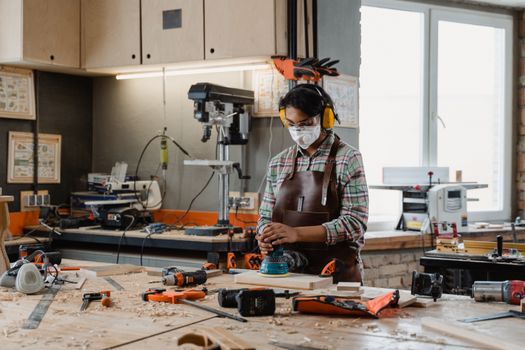
Sanding is crucial for a smooth finish. A random orbit sander is a versatile tool that works well for preparing wood surfaces before applying finish.
- Random Orbit Sander:
- Pros: Fast and effective, minimizes swirl marks.
- Cons: Can be expensive and may require different grit sandpaper for optimal results.
Planning Your Project
When planning your project, it’s also wise to consider using resources like Ted Woodworking for furniture building plans. They offer a wide range of detailed plans and guides that can help you choose the right materials and finishes for your specific projects.
Conclusion
Choosing the right finish for different types of wood is essential for achieving the best results in your woodworking projects. By understanding the characteristics of various finishes and woods, as well as utilizing the right tools, you can create stunning and durable furniture that will last for years to come.
FAQs
- What is the best finish for outdoor furniture?
The best finishes for outdoor furniture are typically oil-based products or marine varnish, which offer UV protection and water resistance.
- How many coats of finish should I apply?
Generally, two to three coats are recommended for most finishes, but always follow the manufacturer's instructions for the best results.
- Can I mix different types of finishes?
Mixing finishes is not recommended, as it can lead to adhesion issues and an uneven appearance.
📚 Related Articles
🔨 Want 16,000+ Woodworking Plans?
Get instant access to step-by-step plans with blueprints and cut lists.
Get Instant Access →