Can I Make Furniture Without Power Tools? Explore Your Options
In a world dominated by power tools, many aspiring woodworkers wonder if it's possible to create beautiful and functional furniture without them. The good news is that it absolutely is! Whether you're a beginner looking to start a new hobby or an experienced craftsman aiming for a more traditional approach, building furniture without power tools can be a rewarding experience. In this article, we will explore various methods, tools, and techniques you can use, as well as common mistakes to avoid and troubleshooting tips to ensure your woodworking projects are successful.
Why Build Furniture Without Power Tools?
- Connection to Craftsmanship: Working without power tools allows you to connect deeply with the materials, enhancing your skills and understanding of woodworking.
- Cost-Effective: Hand tools are often less expensive than power tools, making woodworking more accessible.
- Portability: Hand tools are lighter and easier to transport, making them ideal for small spaces or outdoor projects.
- Quiet and Clean: Without the noise and mess of power tools, you can enjoy a more peaceful work environment.
- Skill Development: Using hand tools hones your skills and techniques, leading to a greater sense of accomplishment.
Essential Hand Tools for Furniture Building
To successfully build furniture without power tools, you will need a selection of essential hand tools. Here’s a list of tools you should consider:
- Hand Saw: A sharp hand saw is crucial for cutting wood to size.
- Chisels: Chisels are perfect for making precise cuts and joinery.
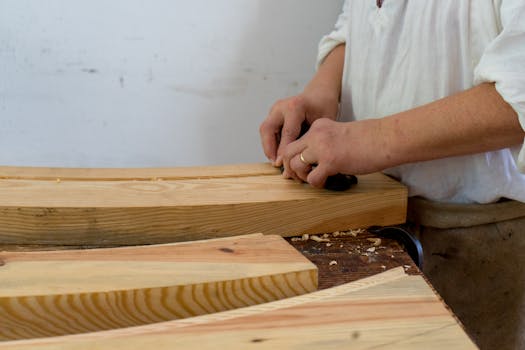
- Hand Plane: A hand plane is essential for smoothing surfaces and edges.
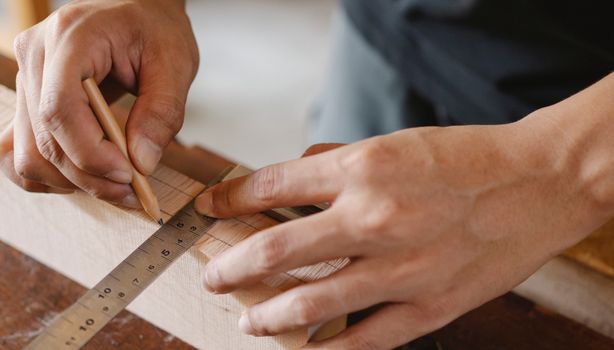
- Measuring Tools: A tape measure and square will help ensure accuracy in your cuts.
- Clamps: Clamps are necessary for holding pieces together while the glue dries.
- Wood Glue: Strong adhesives are important for joining pieces of wood.
- Sandpaper: Sandpaper will help you smooth out surfaces and prepare them for finishing.
Project Ideas for Power Tool-Free Furniture
There are numerous furniture projects you can tackle without power tools. Here are a few ideas:
- Simple Bookshelf: Using a hand saw and chisels, you can create a basic bookshelf that is both functional and stylish.
- Rustic Bench: A sturdy, rustic bench can be made with just a few planks of wood, some wood glue, and clamps.
- Wooden Stool: A wooden stool is a great beginner project that requires minimal tools and skills.
- Picture Frame: Build a custom picture frame to showcase your favorite memories; this project can be completed with basic hand tools.
- Side Table: A simple side table can be designed and built using traditional joinery techniques.
Common Mistakes to Avoid When Building Without Power Tools
While building furniture without power tools can be liberating, there are potential pitfalls to be aware of. Here are some common mistakes and how to avoid them:
- Inaccurate Measurements: Always double-check your measurements before cutting. A small mistake can lead to significant errors in the final piece. Use a square to ensure right angles.
- Poor Tool Maintenance: Hand tools need regular maintenance. Keep your saws sharp and chisels honed for cleaner cuts. A dull tool can lead to frustration and subpar results.
- Neglecting Joinery Techniques: Without the speed of power tools, hand joinery techniques, such as doweling or mortise and tenon, can be overlooked. Invest time in learning these skills for stronger and more aesthetic joints.
- Rushing the Process: Hand tool work can be slower than using power tools. Take your time to ensure quality craftsmanship instead of rushing to finish.
- Ignoring Safety Precautions: Just because you’re not using power tools doesn’t mean safety is not a concern. Always wear safety glasses when chiseling and be cautious when handling sharp tools.
Troubleshooting Tips for Common Issues
Even seasoned woodworkers encounter issues. Here are some tips to troubleshoot common problems:
- Uneven Cuts: If your cuts are uneven, check if your saw is straight and if you are maintaining a consistent angle. Practice on scrap wood to improve your technique.
- Loose Joints: If joints are not holding well, consider using wood glue in conjunction with mechanical fasteners like dowels or screws for added strength.
- Surface Imperfections: If your surfaces are not smooth enough, use a hand plane followed by sandpaper to achieve the desired finish.
Resources for Planning Your Projects
If you're looking for detailed plans and guidance, Ted Woodworking offers a comprehensive collection of woodworking plans that can help you get started on your furniture journey without power tools. Their resources provide step-by-step instructions and visuals to assist you in creating beautiful pieces.
Conclusion
Building furniture without power tools is not only possible but can also be a fulfilling endeavor. By utilizing essential hand tools, avoiding common mistakes, and applying troubleshooting tips, you can create beautiful, functional pieces while honing your craftsmanship skills. Remember, the journey of woodworking is just as important as the final product, so embrace the process and enjoy the art of creating.
FAQ
- Can I make furniture without any tools at all? You will need some basic hand tools to create furniture, but these are often more affordable and easier to use than power tools.
- What types of wood are best for hand-tool furniture projects? Softwoods like pine, cedar, and fir are easier to work with for beginners, while hardwoods like oak and maple offer durability and aesthetic appeal.
- Are there any online resources for learning hand woodworking skills? Yes, many online platforms, including Ted Woodworking, provide plans and tutorials specifically focused on hand-tool woodworking.
📚 Related Articles
🔨 Want 16,000+ Woodworking Plans?
Get instant access to step-by-step plans with blueprints and cut lists.
Get Instant Access →