Introduction to Woodworking for Beginners
Getting started in woodworking can be an exciting journey. With a few basic tools and the right techniques, you can create beautiful and functional pieces of furniture. In this article, we will guide you through some of the best woodworking techniques for beginners, ensuring you have a solid foundation as you embark on your crafting adventures.
Essential Woodworking Tools
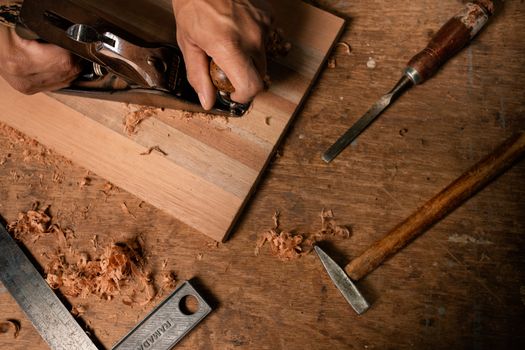
Before diving into techniques, it's crucial to have the right tools. Here’s a list of essential tools every beginner should consider:
- Measuring Tape: Accurate measurements are the cornerstone of good woodworking.
- Square: A framing square helps ensure your cuts are straight and your joints are square.
- Hand Saw: A simple hand saw is perfect for quick cuts.
- Power Drill: A cordless drill is versatile for drilling holes and driving screws.
- Sander: A power sander can smooth out surfaces quickly, making your pieces look professional.
- Clamps: These are essential for holding pieces together while the glue dries or during assembly.
Best Woodworking Techniques for Beginners
Now that you have your tools ready, let’s explore some fundamental woodworking techniques that will serve you well in your projects.
1. Measuring and Marking
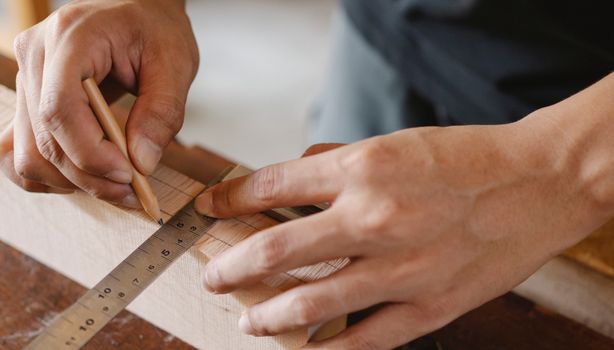
Accurate measuring and marking are critical to successful woodworking. Always measure twice and cut once. Here’s how to do it effectively:
- Use your measuring tape to get the exact length of the wood you need.
- Mark your measurements clearly with a pencil or marking knife.
- Utilize a square to draw straight lines, especially for cuts.
2. Cutting Techniques
Understanding how to cut wood properly is essential. Here are some cutting techniques for beginners:
- Cross-Cutting: This technique involves cutting across the grain of the wood. Use a hand saw or a miter saw for precision.
- Rip-Cutting: This is cutting along the grain. A table saw is ideal for this, but a hand saw can also work for small pieces.
- Curved Cuts: For cutting curves, use a jigsaw or a coping saw. Practice on scrap wood to improve your skills.
3. Joining Techniques
Joining pieces of wood together is a key aspect of woodworking. Here are some beginner-friendly methods:
- Butt Joint: The simplest joint where two pieces meet at their ends. Use wood glue and screws for added strength.
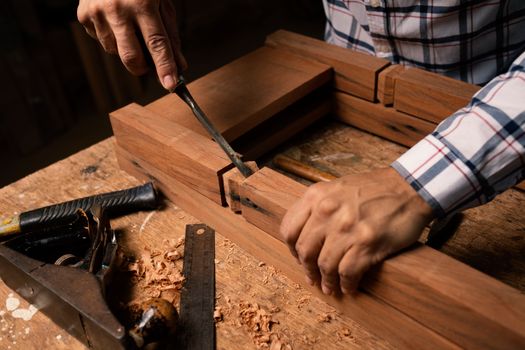
- Lap Joint: This involves removing a portion of each piece so they overlap. It’s stronger than a butt joint and easy to create.
- Dowel Joint: Dowels are small wooden pegs that can strengthen joints. Drill holes in both pieces and insert the dowels for a secure fit.
4. Sanding and Finishing Techniques
After cutting and assembling, sanding and finishing will give your project a polished look. Follow these steps:
- Start with a coarse grit sandpaper to remove rough spots, then gradually move to finer grits.
- Always sand in the direction of the grain to avoid scratches.
- Once sanded, consider applying a finish such as stain or varnish to protect the wood and enhance its appearance.
Finding Woodworking Plans
As a beginner, having a clear plan can make all the difference in the success of your project. Websites like Ted Woodworking offer a plethora of detailed woodworking plans that are perfect for novices. These plans come with step-by-step instructions, material lists, and diagrams to guide you through your first projects.
Conclusion
Woodworking is a rewarding hobby that can lead to the creation of beautiful and functional pieces for your home. By mastering the basic techniques and using the right tools, you can build confidence in your skills. Remember to take your time, practice, and enjoy the process of creating something unique.
FAQs
1. What is the best wood for beginners to work with?
Pine is highly recommended for beginners due to its availability, affordability, and ease of work. It’s soft and easy to cut, making it a great choice for practice.
2. How much should I expect to spend on basic woodworking tools?
As a beginner, you can start with a budget of around $100 to $200 for basic tools. You can gradually add more specialized tools as you gain experience.
3. Are there any online resources for woodworking plans?
Yes, there are many online resources for woodworking plans, including Ted Woodworking, which offers a vast selection of plans suitable for all skill levels.
📚 Related Articles
🔨 Want 16,000+ Woodworking Plans?
Get instant access to step-by-step plans with blueprints and cut lists.
Get Instant Access →