Understanding Wood Sizes
\nWhen embarking on a woodworking project, selecting the right wood sizes is crucial to achieving both functionality and aesthetics. Different projects require different dimensions, and understanding these can make the difference between success and frustration. In this article, we will explore which wood sizes are best suited for specific woodworking projects.
\n\nCommon Wood Dimensions
\nWood sizes are typically categorized by thickness, width, and length. Here are some common dimensions you might encounter:
\n- \n
- 2x4 inches: Commonly used for framing and structural work. \n
- 1x6 inches: Ideal for paneling, shelving, and small furniture. \n
- 3/4 inch boards: Perfect for tabletops, cabinets, and furniture surfaces. \n
- 1x8 inches: Great for building decorative elements and trim. \n
- 1x12 inches: Often used for wider shelves and cabinetry. \n
Choosing the Right Size for Your Project
\nHere are some common woodworking projects and the recommended wood sizes for each:
\n\n1. Coffee Tables
\nFor coffee tables, a common size is a 1x4 or 1x6 for the tabletop. This size provides a sturdy surface while allowing for creative design options. If you’re making a larger table, consider using 2x4s or 2x6s for the legs and support structures.
\nRecommended Tools: A table saw will provide clean cuts for your boards, while a miter saw can help with angled cuts for more intricate designs.
\n- \n
- Pros: Versatile and capable of making precision cuts. \n
- Cons: Can be expensive and may require additional space in your workshop. \n
2. Bookshelves
\nFor building bookshelves, using 3/4 inch plywood or MDF is recommended for the shelves themselves. This thickness will support the weight of books without sagging. For the frame, 1x3s or 1x4s can be used.
\nRecommended Tools: A circular saw is ideal for cutting plywood, and a pocket hole jig can help create strong joints.
\n- \n
- Pros: Allows for sturdy construction and easy assembly. \n
- Cons: Plywood can be heavy and cumbersome to work with. \n
3. Outdoor Furniture
\nWhen crafting outdoor furniture, it's best to use pressure-treated wood or rot-resistant materials. Sizes like 2x4s for frames and 1x6s for tabletops work well.
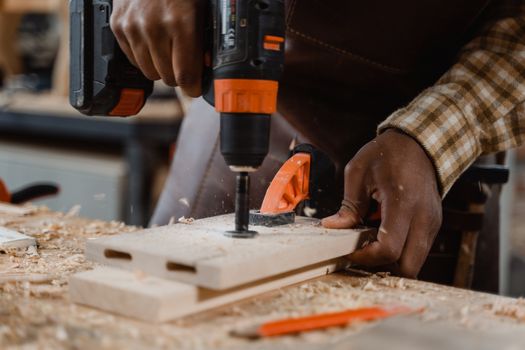
\nRecommended Tools: A power drill is essential for assembling outdoor furniture, especially when using screws to secure joints.
\n- \n
- Pros: Quick assembly and strong hold. \n
- Cons: Requires maintenance to prevent rust and corrosion. \n
4. Cabinets
\nFor kitchen or bathroom cabinets, using 3/4 inch plywood is common for the sides and shelves, while face frames can be built from 1x3s or 1x4s. This combination provides a durable and attractive finish.
\nRecommended Tools: A router can help create decorative edges, while a cabinet saw ensures accurate cuts.
\n- \n
- Pros: Enhances the appearance and functionality of your kitchen or bathroom. \n
- Cons: Can be complex and time-consuming to build. \n
Using Ted's Woodworking Plans
\nIf you're unsure about what sizes to use for your next project, consider utilizing resources like Ted's Woodworking. This platform offers comprehensive plans that detail not only the dimensions needed but also the materials and tools required for a successful build.
\n\nGeneral Tips for Choosing Wood Sizes
\n- \n
- Always account for the final dimensions of your project, including any sanding or finishing that may reduce sizes. \n
- Consider the weight that your project will need to support – thicker wood is generally more robust. \n
- Don’t be afraid to experiment with different wood sizes to find what works best for your specific design. \n
Conclusion
\nSelecting the right wood sizes for your woodworking projects can significantly impact the final result. By understanding the common dimensions and applying them appropriately, you can elevate your craftsmanship and create beautiful, functional furniture. Remember to use quality tools and plans, like those from Ted's Woodworking, to guide your journey in woodworking.
\n\nFAQ
\n- \n
- What is the standard thickness for furniture boards?
The standard thickness for furniture boards is typically 3/4 inch, but this can vary based on the project. \n - Can I use reclaimed wood for my projects?
Yes, reclaimed wood can add character to your projects, but ensure it is structurally sound. \n - How do I decide between plywood and solid wood?
Plywood is often more stable and less prone to warping, while solid wood offers a classic aesthetic. \n
📚 Related Articles
🔨 Want 16,000+ Woodworking Plans?
Get instant access to step-by-step plans with blueprints and cut lists.
Get Instant Access →