When to Use Different Types of Sandpaper for Wood Finishing
When it comes to woodworking, achieving a smooth and polished finish is crucial for both aesthetics and durability. Sanding is an integral step in this process, and knowing which type of sandpaper to use can make a significant difference. In this article, we'll explore the various types of sandpaper, their applications, and how you can save money while achieving professional results in your woodworking projects.
Understanding Sandpaper Grit
Sandpaper comes in various grits, which refer to the size of the abrasive particles on the paper. Grit is typically measured in numbers, with lower numbers indicating coarser grits and higher numbers indicating finer ones. Here's a quick breakdown:
- Coarse Grit (40-60): Used for heavy material removal, such as shaping wood or removing old finishes.
- Medium Grit (80-120): Ideal for smoothing surfaces after using a coarse grit and preparing for finish application.
- Fine Grit (150-220): Used for final sanding before applying the finish, providing a smooth surface.
- Extra Fine Grit (240 and above): Perfect for polishing and sanding between finish coats.
Choosing the Right Sandpaper for Your Project
Depending on the stage of your project, you will need to select the appropriate sandpaper grit. Here’s a guide to help you choose:
1. Initial Shaping and Material Removal
When starting a new project or working on rough lumber, begin with coarse grit sandpaper. This grit is perfect for:
- Shaping edges and curves
- Removing rough spots and defects
- Stripping old finishes
For a budget build, consider using a sanding block or an inexpensive orbital sander, which can often be found at local hardware stores or online.
2. Smoothing Surfaces
Once you’ve shaped your wood, switch to medium grit sandpaper. This grit helps to refine the surface and prepares it for finishing. Here are some tips:
- Use medium grit sandpaper (80-120) to eliminate scratches left by the coarse grit.
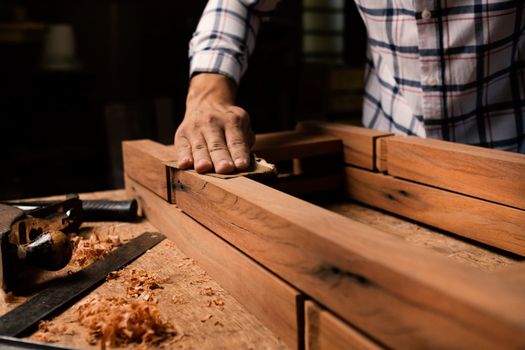
- Sand with the grain of the wood to avoid cross-grain scratches.
- Consider investing in a pack of assorted medium grit sandpapers to keep costs down.
3. Final Sanding Before Finishing
After smoothing with medium grit, it’s time to switch to fine grit (150-220). This step is crucial for a professional finish:
- Fine grit sandpaper will ensure that the surface is smooth and ready for stain or finish.
- Use a sanding sponge for intricate areas or curves.
- Don’t skip this step; it can make or break the appearance of your finished piece.
4. Polishing and Between Coats
For the final touch, or when applying multiple coats of finish, use extra fine grit sandpaper (240 and above). This will help achieve a glass-like finish:
- Lightly sand between coats of finish to enhance adhesion.
- Be cautious not to sand too aggressively as this can remove the finish.
Budget-Friendly Tips for Buying Sandpaper
Woodworking can be an expensive hobby, but there are ways to cut costs without sacrificing quality:
- Buy in Bulk: Purchasing sandpaper in bulk can save you money in the long run. Look for larger packs or rolls.
- Choose Generic Brands: Many generic sandpapers work just as well as name brands but come at a lower price.
- Use Both Sides: Some sandpapers can be flipped and used on both sides, maximizing their lifespan.
- Proper Storage: Keep sandpaper in a cool, dry place to prevent it from becoming clogged with dust or moisture.
Integrating Sandpaper into Your Projects
One great way to incorporate sandpaper into your woodworking is to create beautiful furniture pieces using plans from Ted Woodworking. They offer a variety of project ideas that can help you practice your sanding skills while building functional and attractive furniture.
Whether you're crafting a simple coffee table or a complex cabinet, knowing how to use sandpaper effectively will elevate your woodworking projects. Remember, the right sandpaper at the right time can save you both time and money.
Frequently Asked Questions (FAQ)
1. What grit sandpaper should I start with for new wood?
Start with coarse grit sandpaper (40-60) for initial shaping and material removal. Follow up with medium and fine grits for smoothing and finishing.
2. Can I use the same sandpaper for different stages of sanding?
No, it's best to use different grits for different stages to achieve the best results. Each grit serves a specific purpose in the sanding process.
3. How do I know when to replace my sandpaper?
Replace sandpaper when it becomes clogged, worn out, or when it no longer effectively sands the surface. Keeping it in good condition will improve your results.
📚 Related Articles
🔨 Want 16,000+ Woodworking Plans?
Get instant access to step-by-step plans with blueprints and cut lists.
Get Instant Access →