Introduction
Achieving a natural look in wood finishing is a sought-after skill among woodworkers, both amateur and professional. The way wood is finished can significantly affect its appearance, durability, and overall aesthetic appeal. In this article, we will explore advanced techniques that focus on joinery, precision, and professional finish to help you create stunning pieces that showcase the beauty of the wood itself.
Understanding Wood Grain
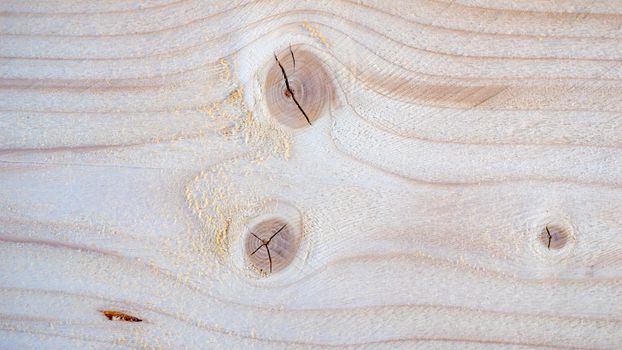
Before diving into finishing techniques, it’s vital to understand the wood grain. The grain pattern influences how the finish will interact with the wood and can dramatically affect the final appearance. Here are a few tips to consider:
- Identify the Grain: Different species of wood have distinct grain patterns. Take the time to study the wood you are working with.
- Plan Your Cuts: Cut your pieces in a manner that highlights the grain. For instance, when making tabletops, consider the orientation of the wood to maximize visual effect.
- Sand Properly: Use the right grits to prepare the surface. Start with a coarse grit and progress to a finer grit to achieve a smooth base.
Joinery Techniques for a Seamless Finish
Joinery is not just about holding pieces together; it can also affect the final finish. Here are some advanced joinery techniques to consider:
- Hidden Joinery: Techniques like mortise and tenon or finger joints can create a seamless look. When done correctly, these joints can be invisible once finished, allowing the beauty of the wood to shine through.
- Use of Dowels or Biscuits: These can help align and reinforce joints without leaving visible marks, allowing for a cleaner finish.
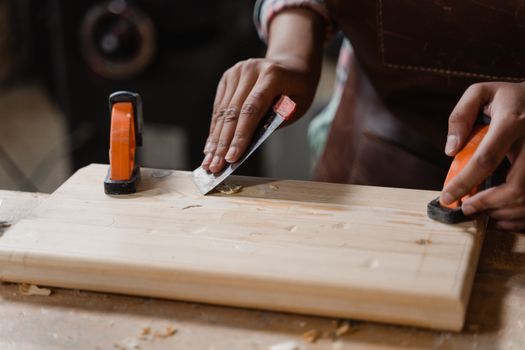
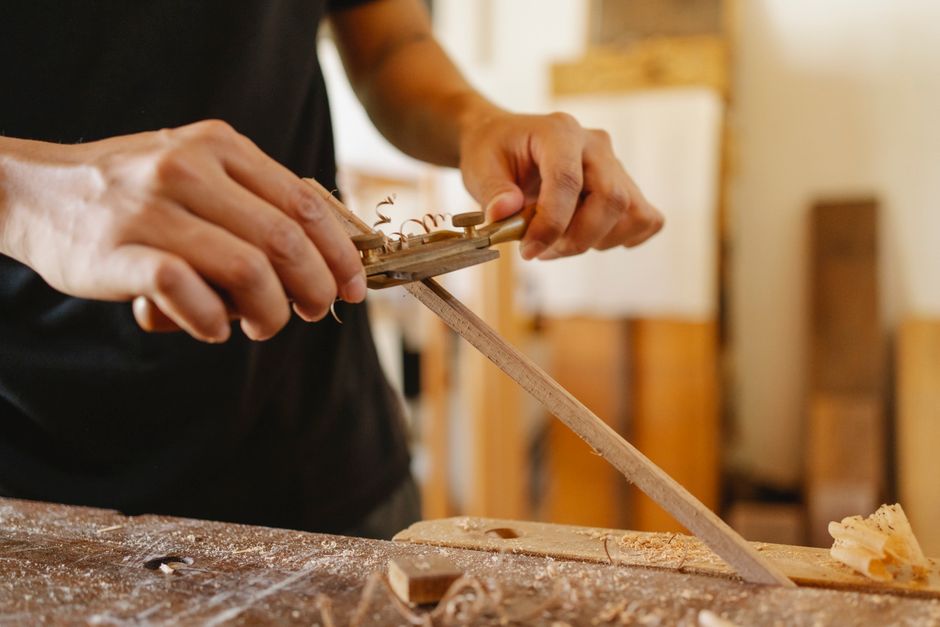
- Precision Cuts: Invest in high-quality tools and take your time to ensure precision cuts. A well-fitted joint will minimize gaps that could be unsightly once finished.
Finishing Techniques for a Natural Look
Once your piece is assembled with precision joinery, the finishing process begins. Here are some advanced techniques to achieve that coveted natural look:
1. Choosing the Right Finish
The choice of finish can drastically alter the appearance of the wood. Here are some popular options:
- Oil Finishes: Oils such as tung oil or linseed oil penetrate deeply into the wood, enhancing the natural grain without creating a thick film.
- Water-Based Finishes: These provide a clear finish that dries quickly and does not yellow over time, maintaining the wood's natural color.
- Shellac: This finish offers a warm glow while enhancing the grain. It’s an excellent choice for more traditional pieces.
2. Application Techniques
How you apply the finish is as important as the finish itself. Here are some expert tips:
- Brush vs. Spray: Spraying can provide a more even coat and is less likely to raise the grain, but brushing allows for more control in tight spaces.
- Multiple Coats: Apply several thin coats rather than one thick coat. This method helps build depth and clarity.
- Sand Between Coats: Lightly sanding between coats with a fine grit will help achieve a smoother finish and allow for better adhesion of subsequent coats.
3. Enhancing the Grain
To further enhance the natural look of your piece, consider these techniques:
- Grain Filler: For open-pored woods like oak, using a grain filler can provide a smoother surface while highlighting the grain.
- Color Wash: Applying a diluted stain can enhance the wood’s natural color while still allowing the grain to show through.
- Topcoats: A clear topcoat can protect the finish and enhance the wood’s appearance. Look for products that are designed to be non-yellowing.
Utilizing Resources for Planning
For those looking to expand their woodworking skills and learn more about advanced techniques, Ted Woodworking offers an extensive library of plans that can guide you through various projects. Their resources can help you implement these finishing techniques effectively and inspire new projects that celebrate the natural beauty of wood.
Conclusion
Achieving a natural look in wood finishing is an art that combines skill, patience, and a deep understanding of the materials you are working with. By focusing on precision joinery and employing advanced finishing techniques, you can create beautiful, professional-quality pieces that showcase the inherent beauty of wood.
Frequently Asked Questions
- What is the best finish for achieving a natural look?
Oil-based finishes, such as tung oil or linseed oil, are often recommended for a natural look since they penetrate the wood and enhance the grain. - Do I need to sand between coats of finish?
Yes, lightly sanding between coats can help create a smoother finish and ensure better adhesion of subsequent layers. - Can I change the color of the wood with finishing?
Yes, using stains or tinted finishes can change the color while still allowing the natural grain to show through. Just test on a scrap piece first.
📚 Related Articles
🔨 Want 16,000+ Woodworking Plans?
Get instant access to step-by-step plans with blueprints and cut lists.
Get Instant Access →