When Should You Apply a Second Coat of Wood Finish?
Applying a wood finish is one of the most rewarding aspects of woodworking. Not only does it enhance the beauty of your project, but it also protects the wood from damage. However, knowing when to apply a second coat of wood finish can be tricky for beginners. In this guide, we will break down the factors to consider and provide a step-by-step approach to ensure you get the best results.
Understanding Wood Finishes
Before diving into the timing of a second coat, it’s essential to understand the types of wood finishes available. Common wood finishes include:
- Oil-based finishes: These penetrate the wood and provide a warm, rich look.
- Water-based finishes: Quick-drying and easy to clean, these finishes offer a clear coat with minimal color change.
- Lacquer: Fast-drying and durable, lacquer provides a high-gloss finish.
- Shellac: A natural finish that gives a warm tone but may not be as durable as others.
Factors to Consider Before Applying a Second Coat
Now that you know the types of finishes, let’s explore when to apply a second coat. Here are the main factors to consider:
- Drying Time: Each finish has a specified drying time. Always check the manufacturer’s recommendations. Generally, oil-based finishes take longer to dry than water-based options.
- Environmental Conditions: Humidity and temperature can affect drying times. Warmer and drier conditions will speed up the drying process.
- Surface Absorption: If the wood is porous or has not been sealed, it may absorb more finish, requiring a second coat sooner.
Step-by-Step Guide to Applying a Second Coat
Now that you understand the factors affecting when to apply a second coat, let’s go through a simple step-by-step process.
Step 1: Check the Drying Time
After applying the first coat, wait for the recommended drying time as stated on the finish can. This can range from a few hours to 24 hours, depending on the type of finish.
Step 2: Inspect the Finish
Once the drying time has passed, carefully inspect the finish:
- Feel the surface: It should be dry and not tacky to the touch.
- Look for imperfections: Check for areas that may require additional coverage.
Step 3: Sand the Surface (if necessary)
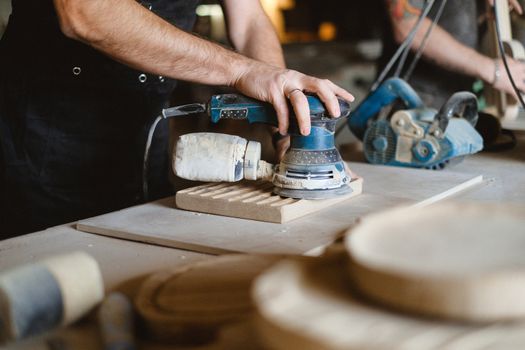
If the first coat feels rough or has imperfections, lightly sand the surface with fine-grit sandpaper (around 220-grit). This will help create a smoother surface for the next coat.
Step 4: Clean the Surface
After sanding, make sure to clean the surface thoroughly. Use a vacuum or a tack cloth to remove any dust particles that could mar the finish.
Step 5: Apply the Second Coat
Using a clean brush or applicator, apply the second coat evenly. Follow these tips for a smooth application:
- Use long, even strokes.
- Don’t overload the brush; this can lead to drips.
- Work in sections to maintain a wet edge.
Step 6: Allow to Dry
Once you’ve applied the second coat, allow it to dry according to the manufacturer’s instructions. This may take additional time depending on the finish used.
Step 7: Final Inspection
After the second coat has dried, inspect the finish again. If it looks even and smooth, you’re done! If not, a third coat may be necessary for the desired effect.
Additional Tips
- Always work in a well-ventilated area to avoid inhaling fumes.
- Consider using a spray finish for a more even coat, especially on larger surfaces.
- If you're looking for project plans that incorporate wood finishing techniques, check out Ted Woodworking for a wealth of resources.
Conclusion
Applying a second coat of wood finish can significantly enhance the look and durability of your woodworking projects. By understanding the drying times, inspecting your work, and following the correct steps, you can achieve a professional-looking finish every time. Remember to take your time and enjoy the process! Happy woodworking!
FAQ
1. How long should I wait between coats?
The wait time varies based on the finish type. Generally, oil-based finishes require 6-8 hours, while water-based finishes may be ready in 1-3 hours.
2. Can I apply a second coat if the first coat is still tacky?
No, you should not apply a second coat until the first coat is completely dry. Applying it while tacky can lead to uneven finishes.
3. Is sanding necessary before the second coat?
Sanding isn’t always necessary, but it can help achieve a smoother finish, especially if the first coat is rough or has imperfections.
📚 Related Articles
🔨 Want 16,000+ Woodworking Plans?
Get instant access to step-by-step plans with blueprints and cut lists.
Get Instant Access →