Understanding Sandpaper Grit
Choosing the right sandpaper is crucial for achieving a smooth and professional finish on your woodworking projects. Sandpaper comes in various grits, which determine how coarse or fine the paper is. The grit number indicates the size of the abrasive particles; lower numbers represent coarser grits, while higher numbers indicate finer grits.
Common Grit Sizes
- Coarse Grit (40-80): Ideal for heavy material removal, such as smoothing rough lumber or shaping edges.
- Medium Grit (100-150): Used for general sanding and removing scratches left by coarse grits.
- Fine Grit (180-220): Perfect for preparing the surface for finishing, creating a smooth finish on the wood.
- Extra Fine Grit (240 and above): Used for polishing and finishing touches, ideal for final sanding before applying a finish.
Choosing Sandpaper for Different Finishes
Different wood finishes require specific sanding techniques and sandpaper types. Here’s a breakdown of how to choose the right sandpaper for popular wood finishes:
1. Oil Finishes
When working with oil finishes, it’s essential to create a smooth surface to allow the oil to penetrate effectively. Start with a medium grit (100-150) to remove imperfections and then progress to a fine grit (180-220) for the final sanding. Avoid using very coarse sandpaper, as it can leave deep scratches that may show through the finish.
2. Lacquer Finishes
Lacquer finishes require a very smooth surface for optimal results. Begin with a fine grit (180-220) for initial sanding, then switch to extra fine grit (240-320) before applying the lacquer. A common mistake is to skip the finer grits, which can lead to a rough texture after the lacquer is applied.
3. Varnish Finishes
For varnish, starting with medium grit (100-150) helps to remove the previous finish or imperfections. Once the surface is even, use fine grit (180-220) for the final pass. Be cautious not to over-sand, as varnish can be sensitive to heavy sanding and may require multiple coats to achieve a smooth result.
4. Stain Finishes
When applying stains, it’s critical to sand the wood with fine grit paper (180-220) to ensure even absorption. If you use too coarse of a grit, it can lead to an uneven finish, as the stain may soak into the deeper scratches more than the surrounding wood. Always sand in the direction of the grain to avoid cross-grain scratches.
Common Mistakes to Avoid
1. Skipping Grit Progressions
A common mistake is skipping grits. For instance, jumping directly from a coarse grit to a fine grit can leave scratches that are difficult to remove. Always progress through the grits sequentially for the best results.
2. Not Sanding with the Grain
Failing to sand with the grain can lead to cross-grain scratches that are visible after finishing. Always ensure that you are sanding in the same direction as the wood grain.
3. Over-Sanding
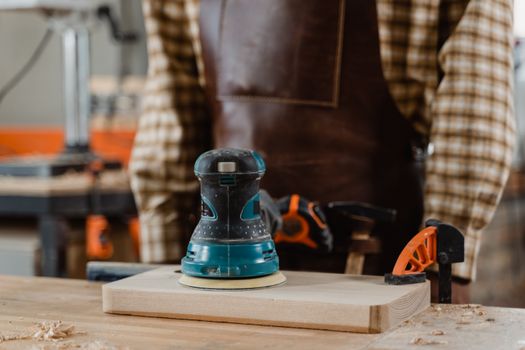
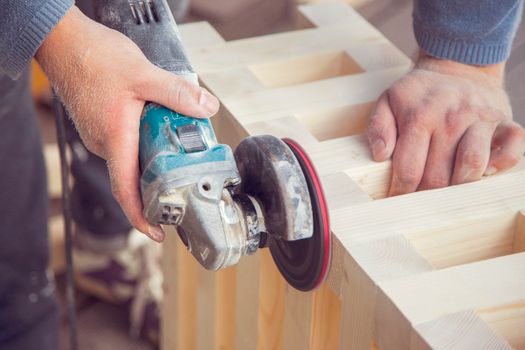
Over-sanding can wear away the wood too much and alter the intended shape or detail. Be cautious when using power sanders and keep the pressure light.
Troubleshooting Tips
1. Uneven Finish
If your finish appears uneven, it may be due to insufficient sanding or using the wrong grit. Re-sand the area with the appropriate grit, ensuring to feather the edges into the surrounding area.
2. Scratch Marks Visible After Finishing
Visible scratches after finishing could indicate that you skipped grits. To fix this, lightly sand the area with a fine grit paper and reapply the finish carefully.
3. Peeling or Bubbling Finishes
If the finish is peeling or bubbling, it may be a result of improper surface preparation. Ensure that you sand adequately and clean the surface before applying any finishes. If the issue persists, consider stripping the finish and starting over.
Resource for Plans
If you’re looking for comprehensive plans for your woodworking projects, consider checking out Ted Woodworking. Their extensive collection of plans can guide you through every step, ensuring your project turns out just as you envisioned.
Conclusion
Selecting the right sandpaper is fundamental to achieving the desired finish on your woodworking projects. By understanding the grit sizes and how they interact with different finishes, you can avoid common mistakes and produce beautiful results.
📚 Related Articles
🔨 Want 16,000+ Woodworking Plans?
Get instant access to step-by-step plans with blueprints and cut lists.
Get Instant Access →