Introduction to DIY Wood Finishing
When it comes to DIY woodworking, achieving a professional-level finish is often the difference between an amateur and an expert project. Surface finishing is not just about aesthetics; it plays a crucial role in protecting your work and enhancing the natural beauty of the wood. In this article, we will delve into various products recommended for DIY wood finishing that cater to advanced techniques, precision, and a polished final appearance.
Understanding the Basics of Wood Finishing
Before we explore specific products, it’s essential to understand the types of finishes available and their applications. Generally, wood finishes can be classified into two categories: film-forming finishes and penetrating finishes.
Film-Forming Finishes
These finishes create a protective layer on the surface of the wood. Examples include:
- Polyurethane: Known for its durability and moisture resistance, polyurethane is available in both oil-based and water-based formulations.
- Varnish: A traditional finish that provides a hard, protective film; it is ideal for outdoor furniture.
- Lacquer: Dries quickly and provides a high-gloss finish, but requires careful application due to its volatile solvents.
Pentrating Finishes
These finishes soak into the wood rather than sitting on top. They enhance the grain and provide a more natural look. Some popular options include:
- Linseed Oil: A traditional oil that enhances the wood grain while providing moisture resistance.
- Tung Oil: Known for its water resistance and durability, it provides a warm, rich finish.
- Wood Conditioner: Used before staining to ensure an even application and prevent blotchiness.
Recommended Products for DIY Wood Finishing
Now that we understand the types of finishes, let’s explore specific products that can help you achieve a professional finish on your woodworking projects.
1. Stains
Stains are essential for enhancing the natural beauty of wood while providing color. Consider the following:
- Minwax Wood Finish: A versatile oil-based stain that is available in a wide range of colors, suitable for hardwoods and softwoods alike.
- Varathane Premium Fast Dry Wood Stain: This product stands out for its fast-drying properties and deep penetration, making it ideal for DIY projects.
- General Finishes Gel Stain: A thick gel that is easy to apply, providing a rich color without drips or runs.
2. Topcoats
After staining, applying a topcoat is crucial to protect the wood. Here are top recommendations:
- Minwax Polycrylic Protective Finish: A water-based poly that dries quickly and offers excellent clarity, making it ideal for light-colored woods.
- General Finishes High-Performance Topcoat: A water-based finish that provides a durable, clear coating with excellent resistance to scratches and stains.
- Rust-Oleum Varathane Ultimate Polyurethane: This oil-based polyurethane offers exceptional durability and a beautiful amber tint, perfect for darker woods.
3. Specialty Finishes
For unique projects and effects, consider these specialty products:
- Osmo Polyx-Oil: A blend of natural oils and waxes, ideal for achieving a matte finish while retaining the natural feel of the wood.
- Rubio Monocoat: A single-coat oil finish that provides a wide range of colors and is known for its ease of application and eco-friendliness.
- Epifanes Clear Varnish: A highly durable marine varnish that provides a brilliant gloss finish, perfect for outdoor furniture.
Applying Finishing Techniques for Professional Results
Achieving a professional finish requires not just the right products but also the right techniques. Here are some advanced tips to ensure precision in your finishing process:
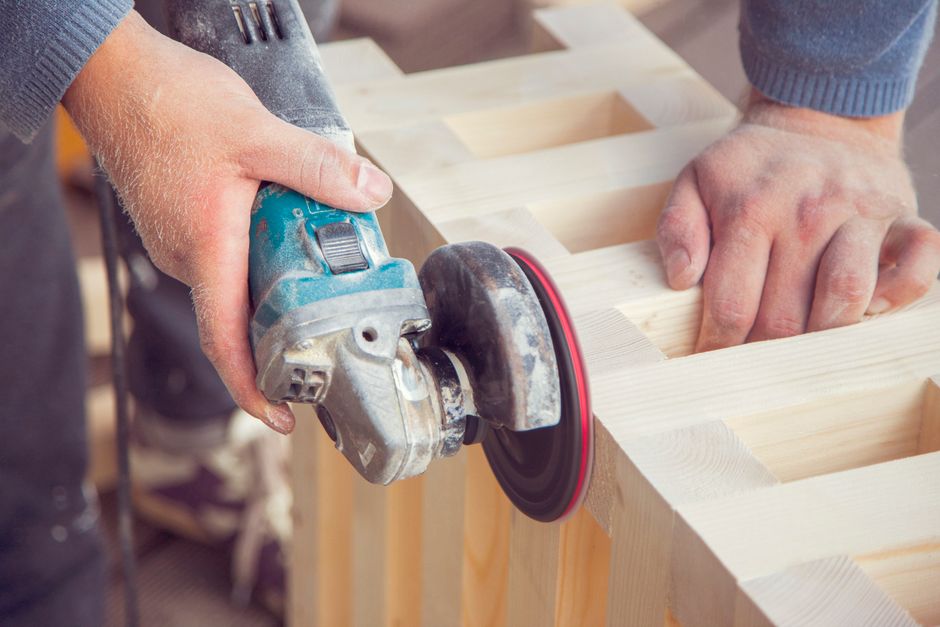
- Preparation is Key: Sand your wood surfaces thoroughly, progressing through grits from coarse to fine. This step is crucial for a smooth finish.
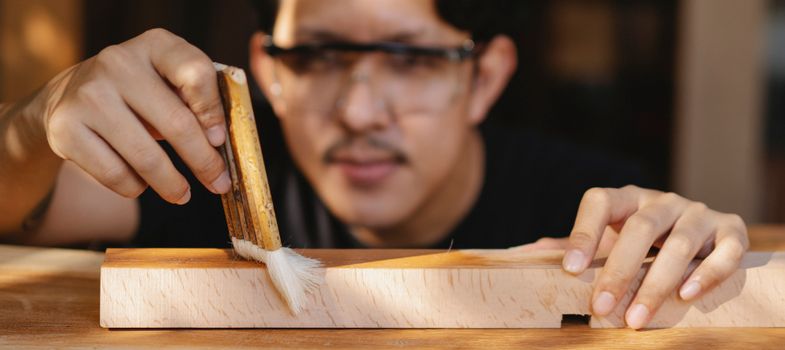
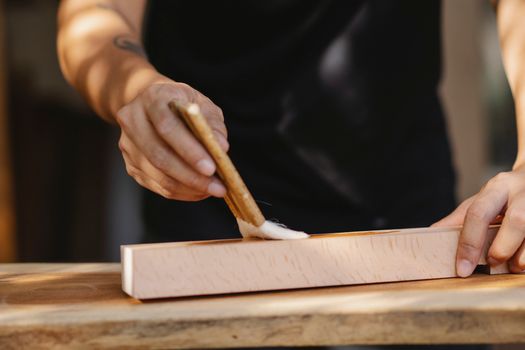
- Use the Right Tools: Quality brushes and applicators can make a significant difference. Consider using foam brushes for varnishes and high-quality natural bristle brushes for oil-based finishes.
- Test Your Finish: Always test your stain and finish on a scrap piece of the same wood to see how it reacts and dries before applying it to your project.
- Apply Thin Coats: Multiple thin coats will yield a better finish than one thick coat. Allow each coat to dry thoroughly before sanding lightly and applying the next.
- Consider Environmental Factors: Temperature and humidity can affect drying times and finish quality. Aim to work in a controlled environment.
Conclusion
DIY wood finishing can elevate your woodworking projects from ordinary to extraordinary. By selecting the right products and employing advanced finishing techniques, you can achieve a professional-quality finish that highlights your craftsmanship. For those looking for detailed plans and project inspiration, consider checking out Ted Woodworking, which offers a variety of plans to guide you in your woodworking journey.
FAQ
What is the best finish for outdoor furniture?
For outdoor furniture, a marine-grade varnish such as Epifanes Clear Varnish is recommended due to its durability and weather resistance.
How long should I wait between coats of finish?
It varies by product, but generally, you should wait at least 2-4 hours between coats for water-based finishes and 24 hours for oil-based finishes.
Can I use a spray finish instead of a brush?
Yes, spray finishes can provide an even coat without brush marks, but they require more careful application to avoid overspray and drips.
📚 Related Articles
🔨 Want 16,000+ Woodworking Plans?
Get instant access to step-by-step plans with blueprints and cut lists.
Get Instant Access →