Introduction to Joinery in Woodworking
Joinery is the technique of connecting two pieces of wood together. It's an essential skill for any woodworker, whether you're building furniture or creating decorative pieces. The right power tool can make these tasks easier and more precise. In this article, we will explore the best power tools for joinery and guide you through the options available for beginners.
Essential Power Tools for Joinery
When it comes to joinery in woodworking, several power tools stand out. Each tool serves a specific purpose, and understanding their functions will help you choose the right one for your projects.
1. Router
A router is a versatile tool used to hollow out areas in wood, which is essential for creating joints such as mortises and dovetails. Here are a few reasons why a router is a top choice for joinery:
- Versatility: Routers can be used for various joinery techniques.
- Precision: They allow for accurate cuts and designs.
- Ease of Use: Many routers come with adjustable speed settings.
For beginners, a plunge router is often recommended, as it allows for more control when making cuts.
2. Table Saw
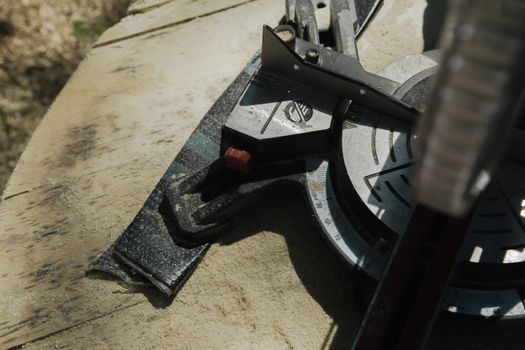
A table saw is a fundamental tool in any woodshop, especially for joinery. This tool is ideal for making precise, straight cuts, which are necessary for joints such as miter and butt joints.
- Accuracy: Table saws provide consistent and exact cuts.
- Efficiency: They can quickly process large sheets of wood.
- Versatile Joints: Perfect for creating different types of joints.
When starting out, look for a table saw with a sturdy fence and a reliable blade for the best results.
3. Biscuit Joiner
A biscuit joiner is a specialized tool designed to make slots for biscuits (oval-shaped wooden pieces) to join two pieces of wood together. This tool is particularly useful for aligning edges and creating strong joints.
- Speed: Biscuit joiners can make quick work of joinery tasks.
- Alignment: They help ensure perfect alignment between pieces.
- Strength: The biscuits provide added strength to the joint.
This tool is especially helpful for beginners looking to create strong, seamless joints without complex techniques.
4. Drill and Impact Driver
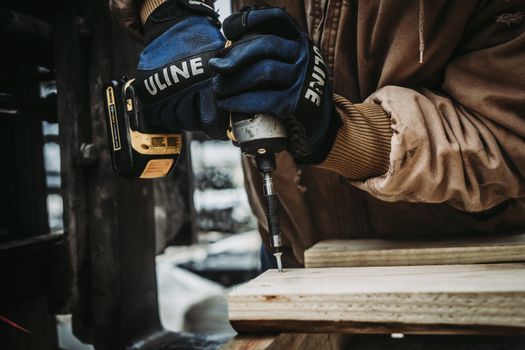
While not exclusively a joinery tool, a drill and impact driver combo is crucial for creating pilot holes for screws, which can help reinforce joints. They can be used for:
- Creating Pilot Holes: Prevents wood from splitting.
- Driving Screws: Essential for fastening joints.
- Versatility: Can be used for various woodworking tasks.
Look for a cordless model for ease of use and portability.
Choosing the Right Tool for Your Needs
When selecting the best power tool for joinery, consider your specific needs:
- Project Type: Different projects may require different tools.
- Budget: Determine how much you are willing to invest.
- Experience Level: Some tools may have a steeper learning curve than others.
For beginners, starting with a router and a drill/impact driver is a great way to build a solid foundation in joinery. As you progress, you can add a table saw and a biscuit joiner to your collection.
Resources for Woodworking Plans
If you're looking for project ideas and detailed plans, consider checking out Ted Woodworking. They offer an extensive library of woodworking plans that can help you get started on your joinery projects.
Conclusion
Choosing the right power tool for joinery in woodworking can be overwhelming at first, but understanding the functions of each tool can simplify the process. Start with the basics, and as you gain experience, you can expand your toolkit. Remember, practice makes perfect, and soon you'll be creating beautiful, sturdy joints in your woodworking projects.
FAQ
1. What types of joints can I make with a router?
A router can be used to create various joints, including mortise and tenon joints, dovetail joints, and edge joints. It is a versatile tool for any woodworking project.
2. Can I make joinery without power tools?
Yes, you can make joinery using hand tools such as chisels, hand saws, and mallets. However, power tools can significantly speed up the process and increase accuracy.
3. Is a biscuit joiner worth the investment?
For woodworkers who frequently create panels or edge joints, a biscuit joiner can be a worthwhile investment due to its speed and strength in joining wood pieces.
📚 Related Articles
🔨 Want 16,000+ Woodworking Plans?
Get instant access to step-by-step plans with blueprints and cut lists.
Get Instant Access →