Introduction to Compound Miter Saws
Compound miter saws are a staple in many woodworking shops, offering versatility and precision for a variety of cuts. From cross-cuts to bevels and miters, these saws can handle it all. In this article, we will explore advanced techniques for using a compound miter saw to achieve professional results in your woodworking projects.
Setting Up Your Saw
Before diving into techniques, it's essential to ensure your saw is properly set up. This includes calibrating the blade to the correct angle and adjusting the fence for accurate cuts. Take the time to read your saw's manual and understand its specific features and settings.
A well-maintained saw is also crucial for achieving precise cuts. Regularly clean the blade and surrounding areas, and check for any damage or wear. A dull blade can lead to inaccurate cuts and potentially damage your saw.
Advanced Cutting Techniques
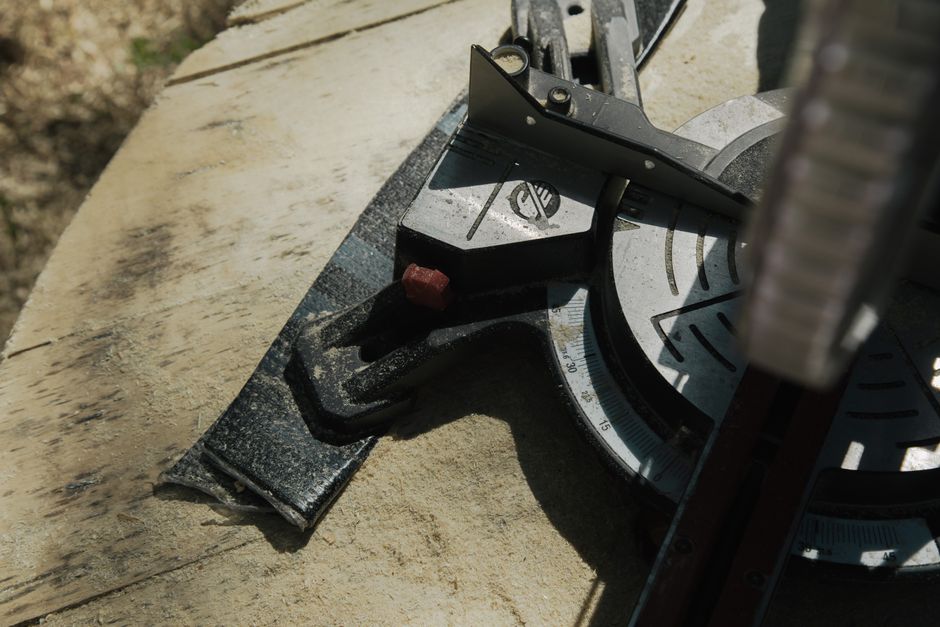
Once your saw is set up and ready to go, it's time to explore some advanced cutting techniques. One of the most important techniques is making precise miter cuts. To do this, use a combination square to set the angle of the blade, and then use a stop block to ensure consistent cuts.
Another technique is making bevel cuts. This can be tricky, as the angle of the blade must be precise to achieve the desired bevel. Use a protractor or angle finder to set the blade to the correct angle, and then use a test piece to ensure the cut is accurate.
Joinery Techniques
Compound miter saws are also useful for creating intricate joinery. One technique is making precise cope cuts for cabinet doors and drawers. To do this, use a cope and stick bit set, and then use the saw to make the necessary cuts.
Another technique is making precise dovetail cuts. This can be challenging, but with the right setup and technique, it can be achieved. Use a dovetail jig and a test piece to ensure the cuts are accurate, and then use the saw to make the final cuts.
For more complex projects, consider using plans from resources like Ted Woodworking. These plans can provide detailed instructions and diagrams to help you achieve professional results.
Tips for Achieving a Professional Finish
To achieve a professional finish, it's essential to pay attention to the small details. One tip is to use a high-quality blade that is designed for the specific type of cut you are making. This will ensure a smooth, accurate cut with minimal tearout.
Another tip is to use a dust collection system to keep your workspace clean and dust-free. This will help prevent errors and ensure a smooth finish.
Finally, take the time to sand and finish your project carefully. Use a variety of grits and techniques to achieve a smooth, even finish, and then apply a finish that protects and enhances the wood.
Common Mistakes to Avoid
Even with advanced techniques and a well-maintained saw, mistakes can still happen. One common mistake is not using a stop block or other guide, which can lead to inaccurate cuts. Another mistake is not checking the blade for damage or wear, which can lead to poor cut quality.
To avoid these mistakes, take the time to set up your saw correctly and use the right techniques for the job. Also, regularly inspect your saw and blades to ensure they are in good working order.
Best Practices for Safety
Safety is always a top priority when working with power tools. One best practice is to always wear protective gear, including safety glasses and a dust mask. Another best practice is to keep loose clothing and long hair tied back, which can get caught in the saw.
Additionally, always follow the manufacturer's instructions for your saw, and take the time to read and understand the safety guidelines. This will help prevent accidents and ensure a safe working environment.
Some other safety tips to keep in mind include:
- Always use a push stick or other guide when making cuts, to prevent kickback and ensure accurate cuts.
- Never reach over the saw or attempt to make a cut while the blade is still moving.
- Keep children and pets away from the workspace, as they can be distracting and potentially dangerous.
By following these safety tips and best practices, you can ensure a safe and successful woodworking experience.
Conclusion
In conclusion, compound miter saws are a powerful tool for achieving professional results in woodworking. By mastering advanced techniques and following best practices for safety and maintenance, you can create intricate joinery and precise cuts with ease.
Remember to always use high-quality blades and take the time to set up your saw correctly. With practice and patience, you can achieve a professional finish and create beautiful, functional pieces of furniture.
For more information on compound miter saws and other power tools, be sure to check out our other articles and resources.
Frequently Asked Questions
Here are some frequently asked questions about compound miter saws:
- What is the best type of blade to use for making precise miter cuts? The best type of blade to use is a high-quality, thin-kerf blade that is designed specifically for making precise miter cuts.
- How do I calibrate my compound miter saw for accurate cuts? To calibrate your saw, refer to the manufacturer's instructions and follow the recommended procedure for setting the angle and fence.
- What safety precautions should I take when using a compound miter saw? Always wear protective gear, including safety glasses and a dust mask, and follow the manufacturer's safety guidelines to prevent accidents and ensure a safe working environment.
🔨 Want 16,000+ Woodworking Plans?
Get instant access to step-by-step plans with blueprints and cut lists.
Get Instant Access →