Introduction
Woodworking is a rewarding hobby that allows you to create beautiful and functional pieces for your home. Whether you're a beginner or a seasoned pro, having the right power tools can make all the difference in your DIY projects. In this article, we will explore the best power tools for woodworking, discussing their features, pros and cons, and how they can enhance your woodworking experience.
1. Cordless Drill/Driver
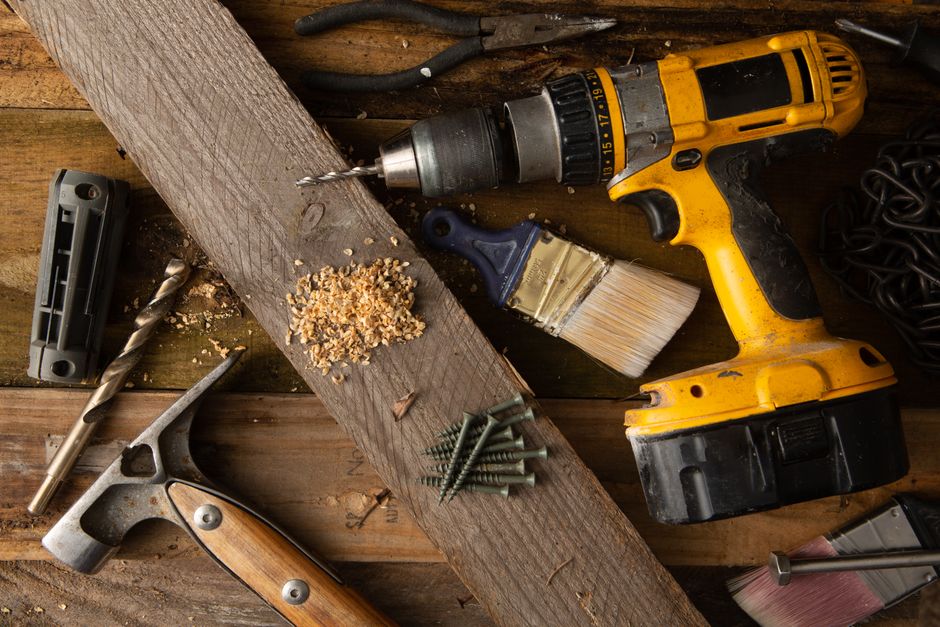
A cordless drill/driver is an essential tool for any woodworker. It is versatile and can be used for drilling holes and driving screws.
- Pros:
- Portable and easy to use
- Variety of attachments available
- Powerful battery options
- Cons:
- Battery life can vary
- May require frequent recharging
Recommendations: Look for models from brands like DeWalt or Makita for durability and performance.
2. Circular Saw
The circular saw is another must-have tool for any woodworking enthusiast. It allows you to make straight cuts quickly and efficiently.
- Pros:
- Ideal for cutting large sheets of plywood
- Adjustable blade depth for various materials
- Lightweight and portable
- Cons:
- Can be difficult to control for beginners
- May produce splintered edges if not used with a guide
Recommendations: Consider a model like the Makita 5007MG for its power and ease of use.
3. Jigsaw
A jigsaw is perfect for making curved or intricate cuts that a circular saw cannot handle. It is an invaluable tool for detailed woodworking projects.
- Pros:
- Versatile for various shapes and designs
- Easy to use with one hand
- Available in corded and cordless models
- Cons:
- Not suitable for thick materials
- Can produce rough edges without proper technique
Recommendations: The Bosch JS470E is a great choice for its precision and power.
4. Router
A router is an essential tool for adding decorative edges to your wood projects and for hollowing out areas of wood.
- Pros:
- Great for creating joints and grooves
- Adjustable speed settings for different tasks
- Multiple bit options for versatility
- Cons:
- Can be intimidating for beginners
- Requires practice to master
Recommendations: The Dewalt D26200 is highly rated for its ease of use and reliability.
5. Sander
Every woodworking project requires a good finish, and a power sander helps you achieve that smooth surface.
- Pros:
- Reduces sanding time significantly
- Provides a consistent finish
- Available in various types (orbital, belt, etc.)
- Cons:
- Can be expensive for high-quality models
- Requires proper technique to avoid swirl marks
Recommendations: The Bosch ROS20VSC is a fantastic option for its performance and affordability.
6. Table Saw
A table saw is a staple in any serious woodworking shop. It allows for precise cuts and is great for ripping lumber down to size.
- Pros:
- Highly accurate cuts
- Can handle large pieces of wood
- Can be used for various cutting techniques
- Cons:
- Can be dangerous without proper safety measures
- Space-consuming and often requires a dedicated area
Recommendations: The SawStop PCS31230-TGP252 is known for its safety features and reliability.
Conclusion
Investing in the right power tools can elevate your DIY woodworking projects and make the process much smoother and enjoyable. Each of these tools serves a specific purpose, so consider your project needs when making a decision. For those looking for plans and inspiration, check out Ted Woodworking for a comprehensive selection of woodworking projects.
FAQs
- What power tools do I need to start woodworking? You should start with a cordless drill, circular saw, and sander as essential tools.
- Are battery-operated tools as powerful as corded ones? Many modern battery-operated tools can match or exceed the power of corded versions, making them a great choice for portability.
- How do I choose the right power tools for my projects? Consider the types of projects you plan to undertake, your budget, and whether you prefer corded or cordless tools.
📚 Related Articles
🔨 Want 16,000+ Woodworking Plans?
Get instant access to step-by-step plans with blueprints and cut lists.
Get Instant Access →