Introduction to Power Saws
Power saws are essential tools in any woodworker's arsenal. Whether you're a beginner or an experienced craftsman, choosing the right saw can significantly impact the quality of your work. In this guide, we will explore the various types of power saws available and their effectiveness for woodworking projects.
Types of Power Saws
Understanding the different types of power saws will help you select the right tools for your woodworking needs. Here are the most commonly used power saws:
1. Circular Saws
Circular saws are versatile and widely used in woodworking. They feature a toothed blade that rotates around an arbor, making them ideal for cutting through various materials, including wood, plywood, and even some metals.
- Pros: Lightweight, portable, and easy to use.
- Cons: Less accurate than some other saw types unless used with a guide.
For beginners, a circular saw is a great starting point. You can easily make straight cuts and adjust the depth of cut for different thicknesses of materials.
2. Jigsaws
Jigsaws are perfect for making intricate cuts and curves. They use a straight, up-and-down motion to cut through wood and other materials. Jigsaws are great for projects that require precision and detail.
- Pros: Excellent for curved cuts and intricate designs.
- Cons: Not ideal for straight cuts over long distances.
As a beginner, you will find a jigsaw helpful for crafting furniture pieces with unique shapes or designs.
3. Miter Saws
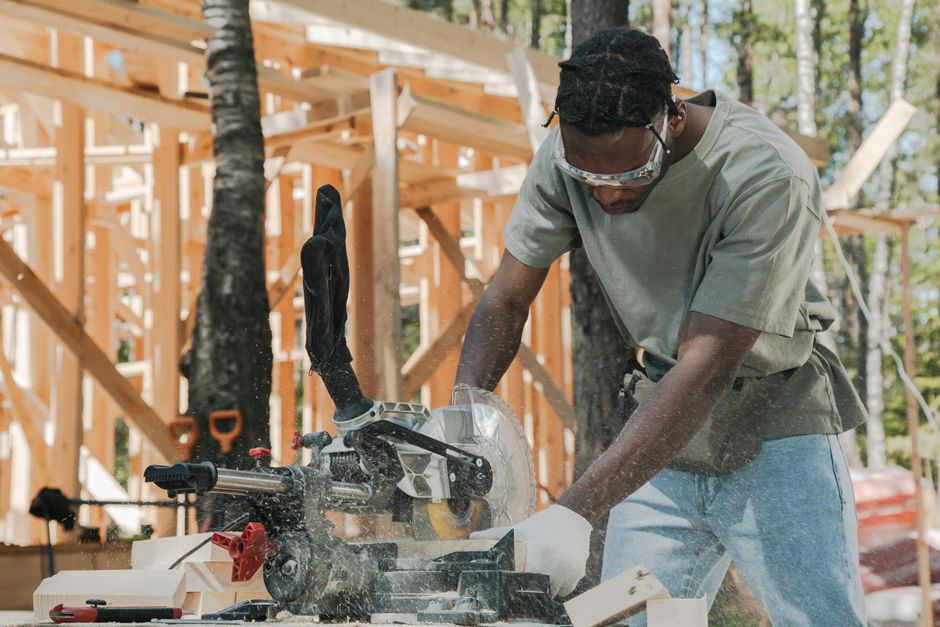
Miter saws are designed for making accurate crosscuts and miter cuts at specific angles. They are commonly used for trimming and molding work.
- Pros: High accuracy for angled cuts; great for framing and molding.
- Cons: Limited to the width of the blade; not portable.
A miter saw is invaluable for any woodworker looking to make precise cuts for furniture assembly or trim work.
4. Table Saws
Table saws are the workhorse of any woodworking shop. They consist of a circular saw blade mounted on an arbor, and the material is fed through the blade, allowing for straight cuts with high precision.
- Pros: Extremely versatile; can cut large sheets of wood easily.
- Cons: Requires more space and can be expensive.
For serious woodworking projects, investing in a table saw is a wise decision. They enable you to make a wide variety of cuts with ease.
5. Band Saws
Band saws use a long, continuous blade that moves in a loop. They are perfect for making curved cuts and resawing lumber.
- Pros: Ideal for cutting thick wood and making complex curves.
- Cons: A bit more complex to set up and use than other saws.
As a beginner, you might find band saws to be more advanced, but they open up a world of possibilities for shaping and cutting wood.
Choosing the Right Power Saw
When selecting a power saw, consider the following factors:
- Your Skill Level: Beginners should start with user-friendly options like circular and jigsaws.
- Type of Projects: Think about the kind of woodworking projects you want to tackle—furniture, cabinetry, or decorative items.
- Budget: Power saws come in a range of prices. Determine how much you are willing to spend before you shop.
- Space: Some saws require more workspace than others. Ensure you have enough room in your workshop.
Once you have identified your needs, you can explore various models and brands. Additionally, resources such as Ted Woodworking offer comprehensive plans and guides that can help you understand how to use different power saws effectively in your projects.
Safety Tips When Using Power Saws
Safety should always be your top priority when working with power tools. Here are some important safety tips to keep in mind:
- Always wear appropriate safety gear, including goggles and ear protection.
- Make sure the blade is sharp and properly adjusted before starting your saw.
- Keep your hands at a safe distance from the blade while cutting.
- Never remove safety guards from your saws.
- Work in a well-lit area and ensure your workspace is free from clutter.
Conclusion
Choosing the right power saw for your woodworking projects is essential for achieving high-quality results. By understanding the different types of saws available and considering your skill level and project needs, you can select the best tools to enhance your woodworking experience. Remember, practice makes perfect, so take your time learning how to use each saw safely and effectively!
FAQ
1. What is the best power saw for beginners?
The circular saw and jigsaw are often recommended as the best power saws for beginners due to their versatility and ease of use.
2. How can I improve my skills with power saws?
Practice is key! Start with simple projects, and consider using resources like Ted Woodworking for detailed plans and instructions.
3. Are there any safety precautions I should take when using power saws?
Always wear safety gear, keep hands clear of the blade, and ensure the workspace is clean and well-lit.
📚 Related Articles
🔨 Want 16,000+ Woodworking Plans?
Get instant access to step-by-step plans with blueprints and cut lists.
Get Instant Access →