Introduction
When it comes to woodworking, finishing your projects can make all the difference between a good piece and a great piece. The right power tools can help you achieve a smooth, professional finish on your wooden creations. In this guide, we'll walk you through how to select the right power tool for wood finishing techniques, focusing on beginner-friendly options and essential tools.
Understanding Wood Finishing
Wood finishing involves applying a protective coating to wood surfaces, enhancing their appearance and durability. There are several techniques you can use, and each requires different tools:
- Sanding: Prepares the surface for finishes by smoothing rough spots.
- Sealing: Helps to protect the wood and enhances color.
- Staining: Adds color and highlights the natural grain.
- Varnishing: Provides a hard, protective coat.
- Polishing: Gives the wood a shiny finish.
Essential Power Tools for Wood Finishing
Here are some essential power tools that every beginner woodworker should consider for finishing techniques:
1. Random Orbital Sander
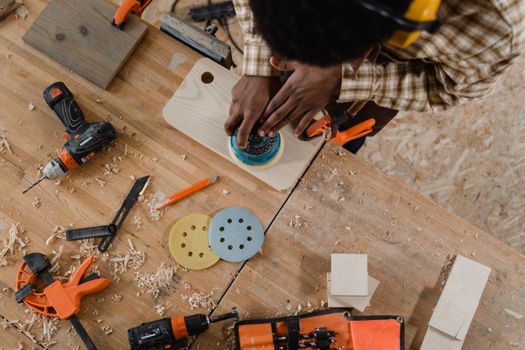
A random orbital sander is a versatile tool that combines the functions of a disk sander and a finishing sander. Its motion reduces swirl marks, making it ideal for wood finishing.
- Pros: Easy to use, effective for various surfaces, and minimizes scratches.
- Cons: Can be a bit noisy and requires a dust collection system for a cleaner workspace.
2. Detail Sander
A detail sander is perfect for reaching corners and intricate designs. It has a triangular sanding pad that allows you to sand tight spaces effectively.
- Pros: Great for precision work and very lightweight.
- Cons: Not suitable for large flat surfaces.
3. Paint Sprayer
If you are looking to apply stains or finishes evenly and quickly, a paint sprayer is a fantastic option. It can cover large areas faster than traditional brush methods.
- Pros: Fast application and even coverage.
- Cons: Requires some practice to master and may need additional cleanup.
4. Orbital Floor Sander
For larger projects, especially when working with floorboards or large tabletops, an orbital floor sander can save you time and effort.
- Pros: Effective for large surfaces.
- Cons: More expensive and heavier than smaller sanders.
Choosing the Right Tool for Your Project
When selecting the right power tool for wood finishing, consider the following factors:
- Project Size: Assess the size of your project to determine if you need a handheld sander or a larger floor sander.
- Detail Work: For intricate designs, opt for a detail sander.
- Finish Type: Different finishes may require different application methods. For example, a sprayer is best for varnish, while a sander is needed for prep work.
- Budget: Consider your budget when choosing tools. There are both affordable and high-end options available.
Tips for Using Power Tools in Wood Finishing
Now that you know which power tools to consider, here are some tips for using them effectively:
- Read the Manual: Always read the user manual for safety instructions and operating tips.
- Practice on Scrap Wood: Before applying finishes to your project, practice on scrap wood to get comfortable with the tool.
- Work in a Well-Ventilated Area: Ensure you have good ventilation, especially when using finishes and sprays.
- Wear Safety Gear: Protect your eyes and lungs by wearing goggles and a mask.
Resources for Woodworking Plans
If you're looking for inspiration and detailed plans for your woodworking projects, consider checking out Ted Woodworking. They offer a wide range of plans that cater to all skill levels and project types, ensuring you have everything you need to get started.
Conclusion
Selecting the right power tool for wood finishing can significantly impact the outcome of your projects. By understanding the types of tools available and considering your project requirements, you can choose the best options to achieve a professional finish. Happy woodworking!
Frequently Asked Questions (FAQ)
- What is the best power tool for sanding wood? The best power tool for sanding wood is a random orbital sander due to its versatility and ability to minimize swirl marks.
- Can I use a paint sprayer for applying varnish? Yes, paint sprayers are suitable for applying varnish and can provide an even finish, but practice is recommended.
- Do I need to sand between coats of finish? Yes, sanding between coats of finish helps to ensure better adhesion and a smoother final surface.
📚 Related Articles
🔨 Want 16,000+ Woodworking Plans?
Get instant access to step-by-step plans with blueprints and cut lists.
Get Instant Access →