Best Hand Tools for Woodworking Classes and Workshops
Embarking on a woodworking journey can be incredibly rewarding, especially when you have the right hand tools at your disposal. For those attending woodworking classes or workshops, selecting the best tools is crucial for both learning and achieving quality results. In this article, we will explore the essential hand tools every woodworking student should have, as well as common mistakes to avoid and troubleshooting tips to enhance your woodworking experience.
Essential Hand Tools for Woodworking
Before diving into the common pitfalls, let’s take a look at the essential hand tools that are perfect for beginners and seasoned woodworkers alike:
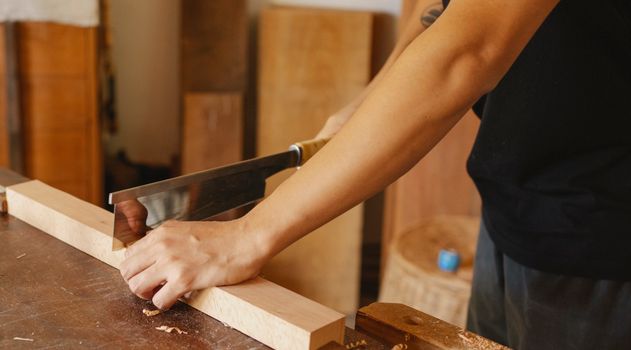
- Hand Saw: A quality hand saw is fundamental for making clean cuts. Look for a crosscut saw for cutting across the grain and a rip saw for cutting with the grain.
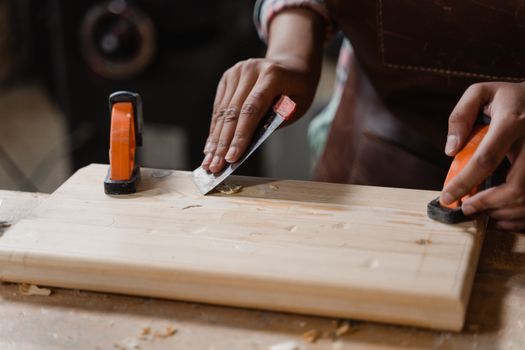
- Chisels: A set of chisels in various sizes is essential for carving, shaping, and cleaning up joints. Invest in high-carbon steel chisels for durability.
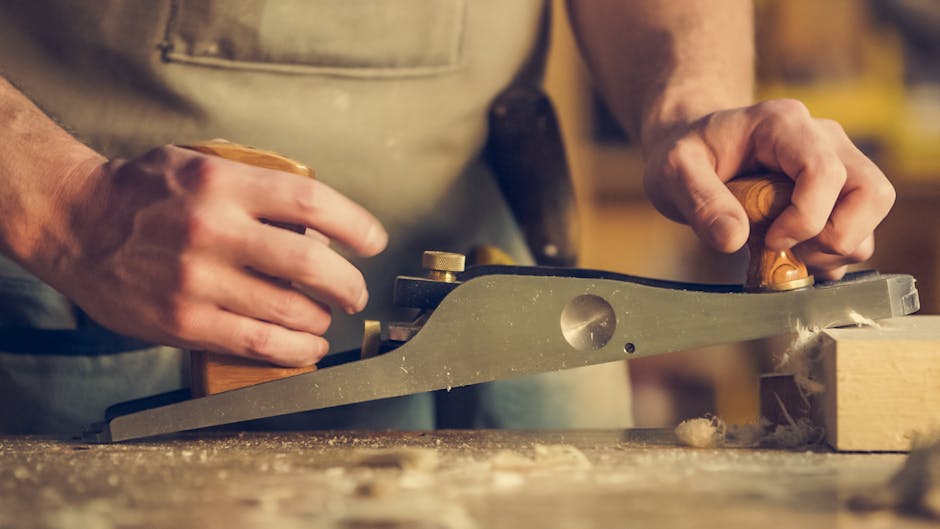
- Hand Plane: A hand plane is indispensable for smoothing surfaces and adjusting the thickness of wood. A block plane is ideal for beginners.
- Measuring Tools: Accurate measurements are critical. Have a reliable tape measure, a square, and a marking gauge to ensure precision.
- Clamps: Clamps hold pieces in place while gluing or assembling. A variety of sizes and types will serve different functions.
- Files and Rasps: These are used for shaping and finishing edges, allowing for fine adjustments in your projects.
- Mallet: A wooden mallet is perfect for driving chisels without damaging them, making it an essential tool in your kit.
- Workbench: While not a hand tool, a sturdy workbench is vital for providing a stable surface to work on.
- Woodworking Plans: Resources like Ted Woodworking offer a wealth of plans that can guide you through various projects, helping you learn and gain confidence.
Common Mistakes to Avoid
Even with the right tools, beginners can encounter several common mistakes in woodworking classes. Here are some of those pitfalls and how to troubleshoot them:
1. Poor Tool Maintenance
One of the most frequent mistakes is neglecting tool maintenance. Dull blades and rusty tools can ruin your work.
- Tip: Regularly sharpen your chisels and saw blades. Invest in a good sharpening stone or system.
- Fix: Clean your tools after each use. A simple wipe down with a cloth can prevent rust, and applying a light coat of oil can protect metal surfaces.
2. Inaccurate Measurements
Another common issue is making inaccurate measurements, which can lead to misaligned joints and uneven cuts.
- Tip: Always double-check measurements before cutting. Use a square to verify angles and ensure accuracy.
- Fix: If you find a piece is cut too short, consider adding a decorative patch to fill the gap or adjust your design to accommodate the mistake.
3. Overlooking Safety Precautions
Safety should always be a priority in woodworking classes. Beginners sometimes overlook basic safety precautions.
- Tip: Wear safety glasses to protect your eyes from flying debris and ear protection if using power tools.
- Fix: Familiarize yourself with each tool's safety features and guidelines. Never rush through tasks, and always focus on what you are doing.
4. Choosing the Wrong Tool for the Job
Using the wrong tool can lead to frustration and subpar results. For example, using a coping saw for tasks better suited to a hand saw can be inefficient.
- Tip: Understand the purpose of each tool in your kit and choose the right one for the task at hand.
- Fix: If you find yourself struggling with a tool, take a step back to analyze the task. Consider whether another tool could achieve better results.
5. Rushing the Process
Woodworking requires patience. Rushing can lead to mistakes that could have been avoided with a little more time.
- Tip: Take your time with each step, especially measurements and cuts.
- Fix: If you feel rushed, take a break to clear your mind. Returning with a fresh perspective can help you avoid errors.
Conclusion
Equipping yourself with the best hand tools is just the beginning of your woodworking journey. By avoiding common mistakes and implementing the troubleshooting tips provided, you will enhance your skills and confidence in woodworking classes and workshops. Remember, resources like Ted Woodworking can be invaluable in guiding your projects and learning experiences.
FAQ
- What are the most important hand tools for a beginner woodworker?
A hand saw, chisels, a hand plane, measuring tools, clamps, files, and a mallet are essential for beginners. - How often should I sharpen my chisels and saw blades?
It depends on usage; however, sharpening after every few projects or whenever you notice a decline in performance is advisable. - Can I use power tools in woodworking classes?
It depends on the class structure. Many classes start with hand tools to teach fundamental skills before introducing power tools.
📚 Related Articles
🔨 Want 16,000+ Woodworking Plans?
Get instant access to step-by-step plans with blueprints and cut lists.
Get Instant Access →