Introduction
When it comes to fine woodworking, the debate between hand tools and power tools is as old as the craft itself. Each method has its proponents and unique advantages, but making the right choice can significantly impact your project outcomes. In this article, we will explore the pros and cons of both hand tools and power tools, highlight common mistakes to avoid, and offer troubleshooting tips to ensure your woodworking experience is both enjoyable and productive.
Understanding Hand Tools
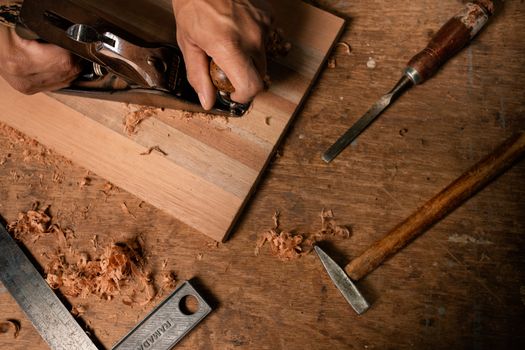
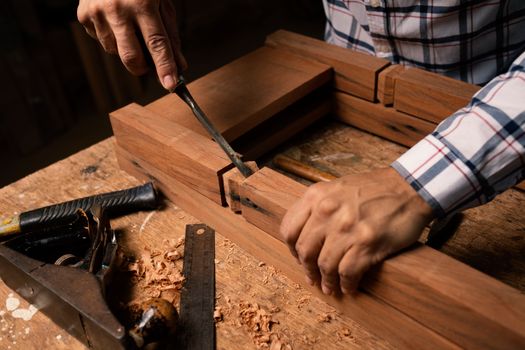
Hand tools are traditional implements that require manual effort to operate. These include chisels, hand planes, saws, and more. Many fine woodworkers appreciate hand tools for their precision and the level of control they offer.
Pros of Hand Tools
- Precision: Hand tools allow for fine adjustments that can lead to superior surface finishes and intricate details.
- Quiet Operation: Working with hand tools is generally quieter, making it a peaceful endeavor that can be enjoyed in shared spaces.
- Minimal Setup: There is no need for extensive setup or electrical outlets, leading to a simplified work process.
- Connection to Craft: Many woodworkers find a deeper connection to their work when using hand tools, as it involves more tactile feedback.
Common Mistakes with Hand Tools
While hand tools offer many benefits, they also come with their own set of challenges. Here are some common mistakes and how to troubleshoot them:
- Using Dull Tools: A common mistake is not keeping blades and edges sharp. Dull tools can lead to poor cuts and frustration.
Fix: Regularly sharpen your tools using a sharpening stone or honing guide. Set a routine for maintenance. - Poor Technique: Many beginners struggle with the right technique, leading to mistakes in their cuts.
Fix: Invest time in learning proper techniques through books, videos, or classes. Practice on scrap wood before moving to your main project. - Ignoring Wood Grain: Not paying attention to the direction of the wood grain can result in tear-out and rough finishes.
Fix: Always observe the grain direction and adjust your cutting technique accordingly.
Understanding Power Tools
Power tools cover a wide range of equipment, from table saws and routers to drills and sanders. They are often favored for their speed and efficiency, especially for larger projects.
Pros of Power Tools
- Speed: Power tools can significantly reduce the time needed to complete a project.
- Consistency: They often provide uniform cuts and finishes, which can be crucial for larger-scale work.
- Less Physical Effort: Power tools can alleviate the physical strain of woodworking, making it more accessible.
- Advanced Features: Many power tools come with features that enhance precision, such as laser guides and adjustable settings.
Common Mistakes with Power Tools
While power tools can simplify many aspects of woodworking, they are not without their pitfalls. Here are some common mistakes and how to troubleshoot them:
- Neglecting Safety Precautions: One of the biggest mistakes is overlooking safety measures.
Fix: Always wear appropriate safety gear, such as goggles and ear protection, and ensure your workspace is well-organized. - Improper Setup: Failing to set up tools correctly can lead to errors and accidents.
Fix: Follow the manufacturer’s instructions for setup and calibration. Take your time to ensure everything is aligned properly. - Overconfidence: Rushing through cuts or ignoring the tool's limits can result in mistakes.
Fix: Always work at a comfortable pace and recognize when to stop and reevaluate if something feels off.
Combining Hand and Power Tools
For many woodworkers, a combination of hand and power tools can yield the best results. For instance, you might use a power saw for rough cuts and hand planes for final finishing. This hybrid approach allows you to leverage the strengths of both methods, leading to high-quality results.
Additionally, resources like Ted Woodworking offer a plethora of plans that can help you navigate both worlds. Whether you prefer hand tools or power tools, Ted Woodworking provides comprehensive plans that can guide you through your projects, ensuring you have the right tools and techniques for success.
Conclusion
Ultimately, the choice between hand tools and power tools for fine woodworking depends on your personal preferences, project requirements, and desired outcomes. By understanding the strengths and weaknesses of each, avoiding common mistakes, and implementing troubleshooting tips, you can enhance your woodworking experience and achieve excellent results.
FAQ
- Q: Can I achieve fine results using only power tools?
A: Yes, but it may require additional finishing work to achieve the same level of detail that hand tools can provide. - Q: What are the best hand tools for a beginner?
A: Essential hand tools include a chisel set, hand saw, block plane, and a marking gauge. - Q: Are power tools worth the investment for hobbyists?
A: Power tools can save time and improve accuracy, making them a worthwhile investment, but hand tools have their own unique benefits as well.
📚 Related Articles
🔨 Want 16,000+ Woodworking Plans?
Get instant access to step-by-step plans with blueprints and cut lists.
Get Instant Access →