Introduction
Many aspiring woodworkers often wonder if they can successfully use hand tools for woodworking without formal training. The good news is, yes, you can! Hand tools are not only accessible but also allow for a deeper connection to the craft. In this article, we'll explore essential hand tools, their pros and cons, and how you can get started on your woodworking journey without needing a degree in carpentry. Plus, we'll introduce you to Ted Woodworking, a great resource for project plans.
Why Choose Hand Tools?
Hand tools offer several advantages over their power tool counterparts:
- Cost-Effective: Hand tools are generally less expensive than power tools and require no electricity.
- Portability: They are easy to transport and can be used in various locations without needing a workshop.
- Skill Development: Using hand tools encourages skill development and a better understanding of woodworking techniques.
- Quiet Operation: Hand tools are quieter than power tools, making them suitable for residential areas.
Essential Hand Tools for Beginners
Now that we've established the benefits, let's look at the essential hand tools you should consider and their pros and cons.
1. Hand Saw
A hand saw is fundamental for cutting wood. It’s versatile and comes in various types, including crosscut and rip saws.
- Pros:
- Inexpensive and easy to find.
- Provides excellent control over cuts.
- Portable and doesn't require power.
- Cons:
- Can be physically demanding, especially for large projects.
- Requires practice to achieve accurate cuts.
2. Chisels
Chisels are essential for shaping and detailing wood. A good set of chisels will serve you well for various tasks.
- Pros:
- Versatile for different woodworking techniques.
- Allows for precise control and detail work.
- Cons:
- Requires regular sharpening to maintain effectiveness.
- Can be challenging for beginners without guidance.
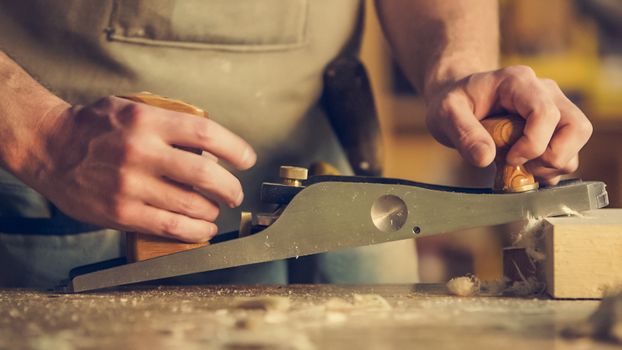
3. Hand Plane
A hand plane is used to smooth and flatten wood surfaces. It’s an indispensable tool for achieving a fine finish.
- Pros:
- Creates smooth surfaces and reduces sanding time.
- Great for adjusting the thickness of wood pieces.
- Cons:
- Can be challenging to master for beginners.
- Requires maintenance and tuning for optimal performance.
4. Square
A square is essential for ensuring your cuts and joints are accurate and square.
- Pros:
- Inexpensive and easy to use.
- Helps in achieving precision in cuts and assembly.
- Cons:
- Limited to checking angles and not versatile for other tasks.
5. Marking Tools
Marking tools, such as pencils and marking gauges, are vital for precision in woodworking projects.
- Pros:
- Essential for accurate measurements and layouts.
- Inexpensive and easy to use.
- Cons:
- Pencil marks can sometimes be difficult to see on certain woods.
Getting Started with Woodworking
Begin your woodworking journey with simple projects that require minimal tools and skills. Start with a basic birdhouse or a small shelf. Ted Woodworking provides a wide array of plans that can help guide you through your first projects, ensuring you have the instructions and diagrams you need to succeed.
Practice is key. Embrace the learning process, and don't be afraid of making mistakes. Each project will improve your skills and help you understand the nuances of working with wood.
Conclusion
Using hand tools for woodworking without formal training is entirely feasible. With practice, patience, and the right tools, you can create beautiful furniture and projects. Remember, the journey is as important as the destination, so enjoy every step of learning this rewarding craft!
FAQ
1. Do I need to take a class to learn woodworking with hand tools?
No, while classes can be beneficial, many beginners successfully learn through online resources, books, and hands-on practice.
2. What is the most important hand tool for a beginner?
A hand saw and a set of chisels are among the most critical tools for beginners, as they allow you to make basic cuts and shape wood.
3. Can I build furniture using only hand tools?
Yes, many furniture pieces can be constructed entirely with hand tools. It may take more time and effort, but the results can be incredibly rewarding.
📚 Related Articles
🔨 Want 16,000+ Woodworking Plans?
Get instant access to step-by-step plans with blueprints and cut lists.
Get Instant Access →