Understanding Spray Finishes
When it comes to finishing furniture, the choice of application method can significantly impact the final look and durability of the piece. Spray finishes have gained popularity among woodworkers and DIY enthusiasts for several reasons. They offer a smooth, even coat and can be faster to apply than traditional brush methods. However, using a spray finish on unfinished wooden furniture requires careful consideration of several factors to ensure a professional-grade finish.
Why Choose a Spray Finish?
Spray finishes provide a range of benefits, especially for those aiming for precision and a flawless appearance. Here are some of the key advantages:
- Uniform Coverage: Spraying creates a fine mist that evenly coats the surface, reducing the risk of brush marks or uneven application.
- Speed: Spraying can speed up the finishing process, allowing multiple coats to be applied in a shorter period.
- Less Waste: A well-controlled spray application can minimize overspray and material waste.
- Variety of Finishes: Spray systems can handle a wide range of finishes, from lacquers to polyurethanes, making them versatile for different projects.
Preparing the Surface
Before applying any spray finish, preparation is key. Here’s how to ensure your unfinished wooden furniture is ready for a spray finish:
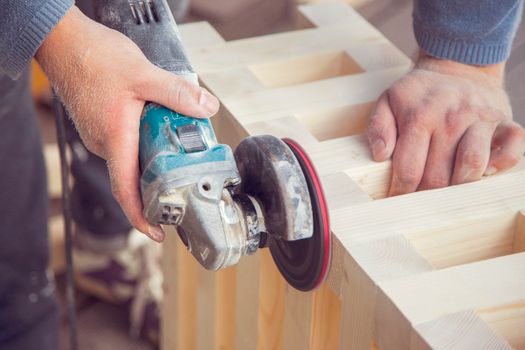
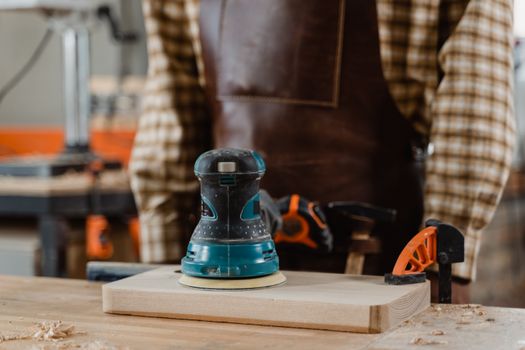
- Sand the Surface: Start with a thorough sanding using progressively finer grits. Begin with 80 or 120-grit sandpaper and work your way up to 220-grit or finer. This will help to open up the wood grain and create a smooth surface for the finish.
- Clean the Dust: After sanding, use a vacuum and a tack cloth to remove all dust particles. Any remnants can interfere with the adhesion and appearance of the finish.
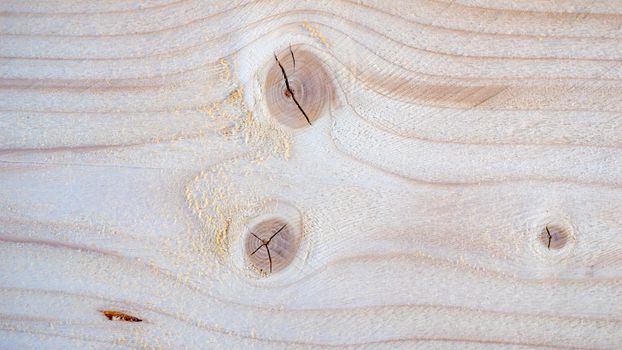
- Condition the Wood: For certain species of wood, especially those with a tendency to blotch (like pine or cherry), applying a pre-stain conditioner can help achieve a more uniform color.
Selecting the Right Spray Finish
Choosing the appropriate spray finish is crucial. Here are some considerations:
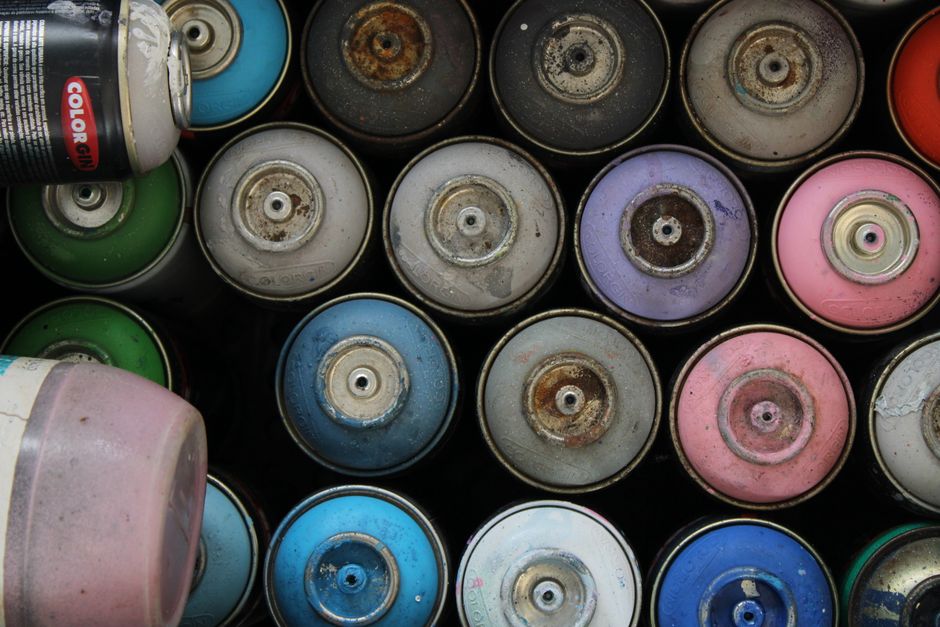
- Type of Finish: Common options include lacquer, polyurethane, and shellac. Each has different drying times, durability, and application characteristics. For furniture, a durable polyurethane is often recommended for its resistance to scratches and moisture.
- Sheen Level: Determine whether you want a matte, satin, semi-gloss, or gloss finish. This will affect not only the appearance but also the feel of the surface.
- Compatibility: Ensure that the spray finish is compatible with the type of wood you are using. Some finishes can react negatively, leading to issues like discoloration or poor adhesion.
Spraying Techniques for a Professional Finish
Once you have prepared the surface and selected the right finish, it’s time to apply the spray. Here are advanced techniques for achieving a professional look:
- Use the Right Equipment: Invest in a quality spray gun that allows for adjustments in pressure and spray pattern. A HVLP (high volume low pressure) sprayer is often ideal for furniture projects.
- Practice Your Technique: Before applying the finish to your furniture, practice on scrap wood to get a feel for the spray pattern and distance. Maintain a consistent distance (typically 6-12 inches) from the surface.
- Apply Thin Coats: Start with light, even coats. It is better to apply multiple thin coats than to try to cover everything in one go, which can lead to drips and runs.
- Maintain a Wet Edge: Work in sections and overlap each pass slightly to maintain a wet edge. This helps to avoid visible lines between passes.
- Follow Drying Times: Adhere to the manufacturer’s recommended drying times between coats. This is crucial for ensuring proper adhesion and preventing issues like cloudiness or peeling.
Finishing Touches
After the final coat has dried, consider the following finishing touches:
- Light Sanding: Once the finish is fully cured, lightly sand with a fine-grit sandpaper (320-grit or higher) to smooth out any imperfections.
- Polishing: For a glossy finish, use a polishing compound or a fine rubbing compound to enhance the sheen.
- Maintenance: Advise users on how to care for the finished piece, including cleaning and potential reapplication of finish over time.
Conclusion
Using a spray finish on unfinished wooden furniture can yield stunning results if done correctly. By preparing the surface adequately, selecting the right finish, and employing advanced spraying techniques, you can achieve a professional-grade finish that enhances the beauty and durability of your furniture. For those looking for project plans and detailed guides, Ted Woodworking offers a vast resource of plans that can inspire and assist you in your woodworking journey.
FAQs
- Can I use a spray finish on all types of wood? Yes, but it is important to choose a finish that is compatible with the specific wood species to avoid issues.
- How many coats of spray finish should I apply? Generally, 2-4 thin coats are recommended, allowing proper drying time between each coat for the best results.
- Is it necessary to sand between coats of spray finish? Light sanding between coats can help improve adhesion and create a smoother final finish, especially if the previous coat has dried for a prolonged period.
📚 Related Articles
🔨 Want 16,000+ Woodworking Plans?
Get instant access to step-by-step plans with blueprints and cut lists.
Get Instant Access →