Introduction to Precision Cutting in Woodworking
Precision cuts are the backbone of any successful woodworking project. Whether you are building a simple shelf or a complex piece of furniture, accuracy is key to achieving a professional finish. In this guide, we will explore how to achieve precision cuts using power tools, making it easy for beginners to get started.
Essential Power Tools for Precision Cuts
Before we dive into techniques, let's look at some essential power tools that can help you achieve those perfect cuts:
- Table Saw: Ideal for straight cuts and ripping large sheets of wood.
- Miter Saw: Great for making angle cuts and crosscuts with precision.
- Jigsaw: Perfect for cutting curves and intricate shapes.
- Router: Useful for hollowing out an area in wood and creating decorative edges.
- Circular Saw: Versatile for various cuts, especially useful for larger sheets of plywood.
Step-by-Step Guide to Achieving Precision Cuts
Step 1: Prepare Your Workspace
Ensure your workspace is clean, organized, and well-lit. A clutter-free environment will help you focus and reduce the risk of mistakes.
Step 2: Choose the Right Blade
The type of blade you use can significantly affect the quality of your cuts. Here are some guidelines:
- Table Saw Blades: Use a fine-tooth blade for clean cuts on hardwood.
- Miter Saw Blades: Opt for a blade designed for crosscutting when working with softwoods.
- Jigsaw Blades: Select a blade based on the thickness and type of material you are cutting.
Step 3: Measure and Mark Accurately
Before making any cuts, measure your wood carefully. Use a reliable tape measure and a square to mark your cutting lines accurately. This step is crucial for ensuring that your cuts are precise.
Step 4: Set Up Your Power Tool
Each tool has its setup process. Here are some quick tips for common tools:
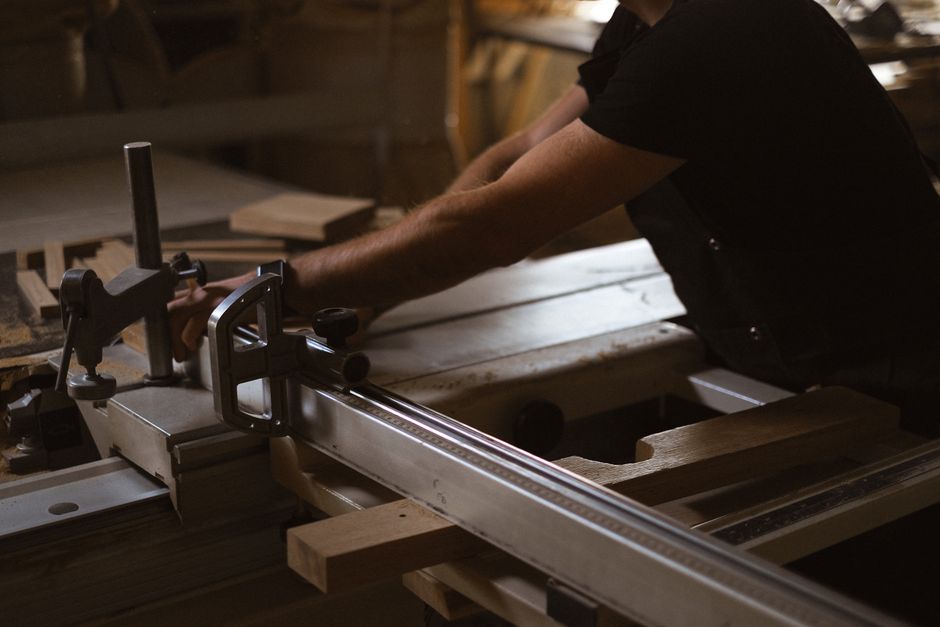
- Table Saw: Adjust the fence to the desired measurement and ensure the blade is at the correct height.
- Miter Saw: Set the angle for bevel cuts if necessary, and ensure the saw is securely clamped.
Step 5: Make the Cut
When you are ready to cut, follow these safety tips:
- Wear safety glasses and hearing protection.
- Keep hands clear of the blade and use push sticks or guides as needed.
- Take your time; rushing can lead to mistakes.
For a table saw, feed the wood slowly and steadily through the blade. For miter saws, firmly hold the wood against the fence and lower the saw blade smoothly.
Step 6: Check Your Cuts
After making your cuts, it’s essential to check their accuracy. Use a square to ensure the edges are straight and corners are at 90 degrees. If the cut is not perfect, don’t hesitate to make minor adjustments or refinements.
Using Plans for Consistency
For beginners, following detailed woodworking plans can help ensure precision in your projects. Resources like Ted Woodworking offer comprehensive plans that guide you through each step, providing dimensions and specifications that help you achieve accuracy.
Common Mistakes to Avoid
- Not checking measurements twice: Always double-check your measurements before cutting.
- Using dull blades: Dull blades can lead to rough cuts and increase the risk of accidents.
- Rushing the process: Take your time to ensure each cut is precise and accurate.
Conclusion
Achieving precision cuts in woodworking with power tools is a skill that improves with practice. By using the right tools, taking the time to measure accurately, and following proper safety procedures, you can build beautiful projects with confidence. Remember to utilize resources like Ted Woodworking for plans and guidance as you embark on your woodworking journey.
FAQ
1. What is the best power tool for beginners in woodworking?
The best power tool for beginners is often a miter saw or a circular saw, as they are versatile and relatively easy to use.
2. How can I ensure my cuts are straight?
To ensure straight cuts, use a straight edge or a guide when cutting, and make sure your saw is set up correctly.
3. What safety gear should I use when cutting wood?
Always wear safety glasses, hearing protection, and, if necessary, a dust mask to protect yourself from wood dust and debris.
📚 Related Articles
🔨 Want 16,000+ Woodworking Plans?
Get instant access to step-by-step plans with blueprints and cut lists.
Get Instant Access →