Introduction
Setting up a home woodshop can be an exciting adventure for anyone interested in woodworking. Whether you are a complete novice or someone with a bit of experience, having the right tools is crucial. In this guide, we will walk you through the essential tools you need for your home woodshop. By the end, you will be well-prepared to embark on your woodworking journey.
1. The Basics of Woodworking Tools
When starting your woodshop, it’s important to have a solid foundation of basic tools. These essentials can help you tackle a wide variety of projects without overwhelming you with complicated equipment.
Hand Tools
- Hand Saw: A good hand saw is indispensable for making precise cuts. Look for a crosscut saw and a rip saw.
- Chisels: A set of chisels will allow you to carve and shape wood with accuracy. Invest in a few sizes for versatility.
- Clamps: Clamps are essential for holding pieces together while the glue sets or for stabilizing your workpiece during cutting.
- Square: A framing square or combination square is necessary for checking and marking 90-degree angles.
- Measuring Tape: A reliable measuring tape will help you take accurate measurements for your projects.
Power Tools
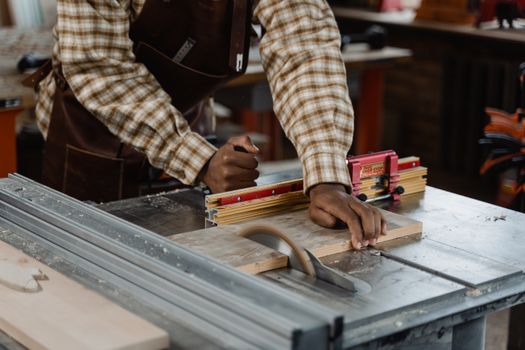
- Table Saw: One of the most important tools in a woodshop, a table saw allows for precise cuts and is perfect for ripping large sheets of wood.
- Router: A router can be used to shape edges, make grooves, and even create intricate designs on your projects.
- Drill: A cordless drill is essential for making holes and driving screws quickly and efficiently.
- Sander: A power sander will save you time and effort in smoothing out surfaces. Consider a random orbital sander for versatility.
- Miter Saw: Ideal for making accurate crosscuts at various angles, a miter saw will help you with framing and trim work.
2. Safety Gear
Safety should always be a priority in any woodshop. Before you start using your tools, make sure you have the following safety gear:
- Safety Glasses: Protect your eyes from wood chips and dust.
- Ear Protection: Use earplugs or noise-canceling headphones to guard against the loud sounds of power tools.
- Dust Mask: A dust mask will help you breathe easier by filtering out fine sawdust.
- Work Gloves: Durable work gloves can protect your hands while providing a good grip on tools and materials.
3. Organizing Your Workspace
Having the right tools is just the beginning; you also need to organize your workspace effectively. Here are some tips:
- Workbench: Invest in a sturdy workbench that can withstand the weight of your projects and provide ample space for cutting and assembling.
- Tool Storage: Use pegboards, tool chests, and drawer organizers to keep your tools easily accessible and organized.
- Lighting: Good lighting is essential for precision work. Ensure your workspace is well-lit with overhead lights and task lighting.
- Ventilation: Make sure your woodshop is well-ventilated to reduce dust buildup and improve air quality.
4. Expanding Your Tool Collection
As you gain experience, you may want to expand your tool collection. Consider investing in specialized tools like:
- Band Saw: Great for intricate cuts and curves, a band saw can open up new possibilities for your projects.
- Planer: A thickness planer allows you to create uniform thickness in your boards.
- Joiner: A jointer is perfect for flattening and squaring edges, which is crucial for making strong joints.
5. Finding Plans and Resources
To help you get started with your woodworking projects, consider using resources like Ted Woodworking. This comprehensive resource offers a vast selection of woodworking plans suitable for all skill levels, helping you turn your ideas into reality.
Conclusion
Setting up a home woodshop doesn't have to be overwhelming. By starting with the essential tools outlined in this guide and prioritizing safety and organization, you'll create a productive environment for all your woodworking projects. Remember, the key is to start simple and expand your collection as you grow in skill and confidence.
FAQ
1. What is the most important tool for a beginner woodworker?
The most important tool for a beginner is often a hand saw or a table saw, as they allow for basic cuts which are fundamental for most woodworking projects.
2. How can I keep my workshop organized?
Use tool storage solutions such as pegboards and drawer organizers. Keeping your workspace tidy and tools easily accessible will enhance your efficiency.
3. Are power tools necessary for beginners?
While hand tools are sufficient for many projects, power tools can greatly speed up the process and improve precision, making them a valuable addition to your workshop as you advance.
📚 Related Articles
🔨 Want 16,000+ Woodworking Plans?
Get instant access to step-by-step plans with blueprints and cut lists.
Get Instant Access →