Introduction
The choice of materials is crucial in woodworking, particularly when it comes to furniture building. Two popular options are Medium-Density Fiberboard (MDF) and solid wood. Each has its unique properties, advantages, and disadvantages that can significantly impact the final product's quality, durability, and aesthetics. In this article, we will delve into the differences between MDF and solid wood, focusing on advanced joinery techniques, precision, and achieving a professional finish.
Understanding MDF and Solid Wood
Before we compare the two, it's essential to understand what MDF and solid wood are.
What is MDF?
MDF is an engineered wood product made by breaking down hardwood or softwood residuals into wood fibers, combining them with wax and resin, and then applying high temperature and pressure to form sheets. This manufacturing process gives MDF a smooth surface, making it an ideal choice for painting and veneering.
What is Solid Wood?
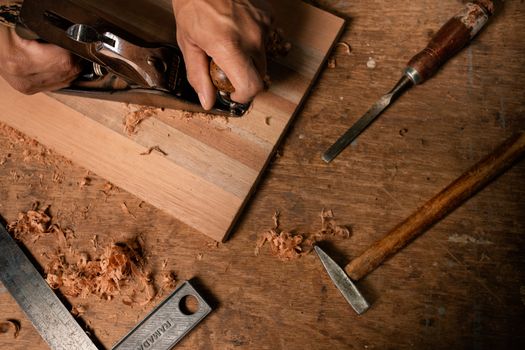
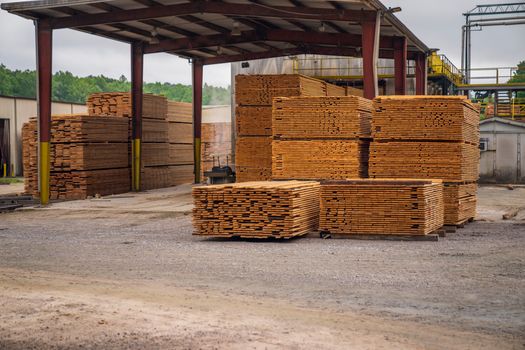
Solid wood, on the other hand, is milled directly from trees and can come from various species such as oak, maple, cherry, and walnut. Each type of solid wood has unique characteristics, grain patterns, and colors, contributing to the overall aesthetic and structural integrity of the furniture.
Key Differences Between MDF and Solid Wood
- Durability: Solid wood is generally more durable than MDF. It can withstand impacts and heavy loads better than MDF, which is prone to dents and dings. However, MDF is less susceptible to warping or splitting, which can be advantageous in specific applications.
- Weight: MDF is heavier than many types of solid wood. This can make MDF furniture more stable, but it also makes it more challenging to move. Solid wood, while lighter in some cases, can still be made to be quite sturdy through careful joinery.
- Cost: Typically, MDF is more affordable than solid wood. This makes it an attractive option for budget-conscious projects where aesthetics can be achieved through paint or veneer.
- Finish: Achieving a professional finish is often easier with MDF due to its smooth surface. Solid wood requires more preparation work to achieve a similar finish, but the natural grain can provide a more appealing aesthetic.
- Joinery: Solid wood allows for a variety of joinery techniques that can enhance the furniture's strength and appearance. Techniques like dovetail joints, mortise and tenon, and box joints can be used effectively. MDF, while it can be joined using screws and dowels, does not hold screws as well as solid wood, which can lead to structural issues over time.
Joinery Techniques: A Closer Look
When building furniture, the joinery you choose can make a significant difference in both appearance and longevity. Here are some advanced techniques that work well with solid wood:
Dovetail Joints
Dovetail joints are often regarded as one of the strongest woodworking joints and are commonly used in drawer construction. The interlocking nature of the joint allows for excellent resistance against pulling forces.
Mortise and Tenon Joints
This classic joint provides exceptional strength and is commonly used in frame construction. A mortise is cut into one piece of wood, and a tenon is cut on the end of another piece to fit into the mortise, creating a strong bond.
Box Joints
Box joints are another robust option, often used in box-like structures. They provide a large glue surface area, contributing to the joint's strength and durability.
Achieving a Professional Finish
Regardless of the material used, a professional finish can elevate your furniture project. Here are some tips for both MDF and solid wood:
- For MDF:
- Sand the edges and surface with fine-grit sandpaper to avoid rough spots.
- Apply a primer before painting to seal the fibers and achieve a smoother finish.
- Consider using a lacquer or enamel for a durable, high-gloss finish.
- For Solid Wood:
- Use a wood conditioner before applying stains to ensure an even color.
- Choose a finish that enhances the natural grain, such as oil-based finishes or polyurethane.
- Sand between coats for a smoother, more professional look.
Conclusion
Choosing between MDF and solid wood for furniture building largely depends on your project's specific needs and goals. MDF is an excellent option for budget-friendly projects where a smooth finish is desired, while solid wood offers durability, aesthetic appeal, and a variety of joinery techniques. For those looking to enhance their woodworking skills, exploring resources like Ted Woodworking can provide valuable plans and insights.
FAQ
- Is MDF suitable for outdoor furniture? No, MDF is not recommended for outdoor use as it can swell and degrade when exposed to moisture.
- Can I use solid wood for painted furniture? Yes, solid wood can be painted, but it requires proper preparation, including sanding and sealing.
- Which material is more environmentally friendly? Solid wood is generally considered more environmentally friendly if sourced sustainably, whereas MDF production can involve chemicals that may not be eco-friendly.
📚 Related Articles
🔨 Want 16,000+ Woodworking Plans?
Get instant access to step-by-step plans with blueprints and cut lists.
Get Instant Access →