Introduction
When it comes to woodworking, achieving a smooth finish is essential to creating beautiful, long-lasting pieces. One of the most critical steps in the finishing process is sanding, which can make or break your project. Choosing the right sandpaper is crucial, especially if you're working on a budget. In this article, we'll explore how to select the right sandpaper for different wood finishes while keeping costs low.
Understanding Sandpaper Grit
Sandpaper comes in various grits, which refer to the size of the abrasive particles on the paper. The grit number indicates how coarse or fine the paper is:
- Coarse Grit (40-60): Best for heavy material removal and shaping. Ideal for rough wood or removing old finishes.
- Medium Grit (80-120): Great for smoothing surfaces and preparing wood for finishing. This grit is a good choice for most initial sanding jobs.
- Fine Grit (150-220): Perfect for final sanding and preparing wood for a finish. It ensures a smooth surface by removing any scratches left by coarser grits.
- Extra Fine Grit (240 and above): Used for polishing and achieving a high-gloss finish. This grit is typically used in final sanding stages.
Choosing Sandpaper Based on Wood Type
Different types of wood require different approaches when it comes to sanding. Here are some tips for choosing the right sandpaper based on your wood type:
Softwoods
Softwoods like pine and cedar are generally easier to sand. Start with a medium grit (80 or 100) to remove any rough spots, then move to a fine grit (150 or 180) for a smooth finish. For a final polish, use extra fine grit (240 or higher).
Hardwoods
Hardwoods such as oak and maple benefit from a more careful approach. Begin with a medium grit (120) to avoid deep scratches. Follow this with a fine grit (180) and finish with an extra fine grit (220) for optimal results. The finer grits can help prevent splintering and ensure a smooth surface.
Exotic Woods
Exotic woods can be delicate and prone to damage. Use a fine grit (180) to start, and then move to extra fine (240) to finish. Take your time and use a lighter touch to avoid damaging the wood.
Matching Sandpaper to Wood Finishes
The type of finish you plan to apply also influences your sandpaper choice. Here are some tips for aligning sandpaper with various finishes:
Stains
When preparing wood for staining, a fine grit (150-180) is ideal. This smoothens the surface and allows the stain to penetrate evenly. After staining, lightly sanding with extra fine grit (220) can help eliminate raised grain and ensure a smooth finish.
Paint
If you're painting wood, a medium grit (80-120) works well for initial sanding to create a surface that helps the paint adhere. After applying the paint, use fine grit (220) to smooth out any imperfections before the final coat.
Clear Coats
For clear finishes like polyurethane or varnish, you'll want a very smooth surface. Start with fine grit (180-220) for the initial sanding and follow up with extra fine (240+) for the final touch. This will help achieve a flawless finish.
Cost-Saving Tips for Sandpaper Selection
Choosing the right sandpaper doesn't have to break the bank. Here are some budget-friendly tips:
- Buy in Bulk: Purchase sandpaper sheets in bulk to save money. You can cut large sheets into smaller pieces for various projects.
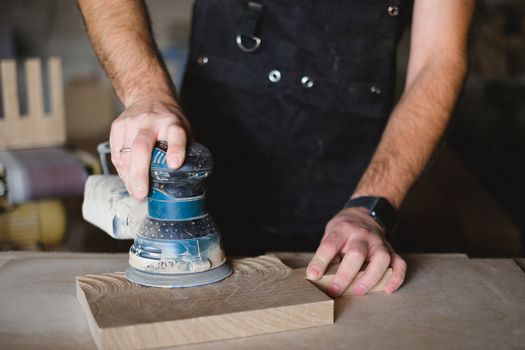
- Use Hook-and-Loop Sanding Discs: These can be easily replaced instead of buying new sanders, which can be more economical in the long run.
- Look for Sales: Keep an eye out for sales at your local hardware store or online. Seasonal discounts can help you stock up without spending too much.
- Consider Alternatives: Some woodworking plans, like those from Ted's Woodworking, may suggest using alternative sanding methods or materials to save on costs.
Conclusion
Choosing the right sandpaper is crucial for achieving the perfect finish on your woodworking projects. By understanding the different grits, wood types, and finishes, you can make informed decisions that will enhance the quality of your work. Remember to keep your budget in mind, and utilize cost-saving tips to make your woodworking journey more affordable and enjoyable.
FAQ
- What grit sandpaper should I start with for rough wood? Begin with coarse grit (40-60) to remove rough spots before progressing to finer grits.
- Can I reuse sandpaper? Yes, if it is not excessively worn, you can reuse it for less critical sanding tasks.
- How do I know when to switch to a finer grit? Switch to a finer grit when you no longer see visible scratches from the previous grit, ensuring a smoother finish.
📚 Related Articles
🔨 Want 16,000+ Woodworking Plans?
Get instant access to step-by-step plans with blueprints and cut lists.
Get Instant Access →