Understanding the Differences Between Indoor and Outdoor Wood
Choosing the right wood for your furniture projects is crucial, especially when deciding between indoor and outdoor use. Each environment presents its own unique challenges, and selecting the appropriate wood can enhance the durability, aesthetics, and functionality of your creations.
Factors to Consider
- Weather Resistance: Outdoor wood must withstand harsh weather conditions, while indoor wood primarily faces temperature and humidity fluctuations.
- Durability: Wood used outdoors needs to resist rot, insects, and decay. Indoor wood can be softer and more susceptible to damage.
- Aesthetic Appeal: Different wood types offer various grains, colors, and finishes. Your choice may depend on the overall design theme.
- Maintenance Requirements: Consider how much time and effort you are willing to invest in maintaining the wood's appearance and integrity.
Best Woods for Indoor Use
When crafting furniture for indoor environments, you have a wide range of wood options available. Here are some of the best choices:
1. Oak
Oak is a popular choice for indoor furniture due to its strength and durability. It has an attractive grain and can be stained or finished in various ways.
- Pros: Durable, easy to work with, good for heavy furniture.
- Cons: Can be heavy; more expensive than some alternatives.
2. Maple
Maple is known for its fine grain and light color, making it ideal for modern furniture designs. It is hard and resistant to scratches.
- Pros: Strong, stable, and takes stain well.
- Cons: Can be challenging to cut and shape due to hardness.
3. Cherry
Cherry wood is prized for its rich color and smooth texture, which deepens over time. It is often used for high-end furniture.
- Pros: Beautiful finish, easy to work with.
- Cons: Expensive and can be sensitive to sunlight.
Best Woods for Outdoor Use
Outdoor furniture must be able to endure the elements. Here are some top choices for outdoor wood:
1. Teak
Teak is renowned for its exceptional resistance to water and decay. It contains natural oils that protect it from the elements.
- Pros: Long-lasting, requires minimal maintenance.
- Cons: Very expensive and can be difficult to source sustainably.
2. Cedar
Cedar is lightweight and resistant to moisture, making it a favorite for outdoor furniture. It also has a pleasant aroma that repels insects.
- Pros: Affordable, easy to work with, and naturally resistant to rot.
- Cons: Softer wood can dent easily and may require regular sealing.
3. Redwood
Redwood is another excellent choice for outdoor projects due to its durability and natural resistance to insects and decay.
- Pros: Beautiful color, holds up well outdoors.
- Cons: Sourcing can be an issue due to environmental concerns.
Essential Tools for Working with Wood
To successfully work with both indoor and outdoor woods, you'll need the right tools. Below are some essential tools along with their pros and cons:
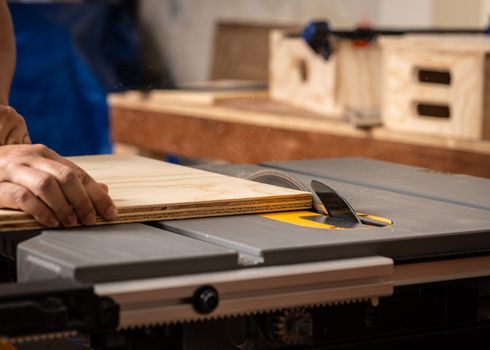
1. Table Saw
A table saw is essential for making straight cuts and rip cuts in wood.
- Pros: Versatile and can handle large pieces of wood; provides precise cuts.
- Cons: Can be expensive and requires space.
2. Miter Saw
Miter saws are perfect for making angled cuts, especially for frames and trim work.
- Pros: Easy to use for making quick, accurate cuts.
- Cons: Limited to crosscuts and miter cuts.
3. Router
A router can add decorative edges and hollow out areas of wood, making it a versatile tool in furniture making.
- Pros: Great for creating intricate designs and profiles.
- Cons: Learning curve for beginners; can be dangerous without proper handling.
For those looking for comprehensive plans to guide your projects, consider checking out Ted Woodworking. They offer a vast library of woodworking plans that can inspire and assist you in your furniture-making endeavors.
Conclusion
Choosing the right wood for your indoor and outdoor furniture projects is critical to their success. By understanding the differences in wood types and the tools required, you can create beautiful and durable pieces that will stand the test of time.
Frequently Asked Questions
- What is the best wood for outdoor furniture? Teak, cedar, and redwood are among the best choices due to their durability and resistance to the elements.
- Can I use indoor wood for outdoor furniture? While some indoor woods can be used outdoors, they typically require more maintenance and may not last as long as outdoor-specific woods.
- What tools are necessary for woodworking? Essential tools include a table saw, miter saw, and router, among others, depending on the complexity of your project.
📚 Related Articles
🔨 Want 16,000+ Woodworking Plans?
Get instant access to step-by-step plans with blueprints and cut lists.
Get Instant Access →