Introduction
Finishing wood surfaces can seem daunting, especially for beginners. However, it is a crucial step that enhances the beauty and durability of your woodworking projects. In this guide, we will explore how to avoid common mistakes in wood surface finishing, ensuring that your finished piece looks professional and lasts for years to come.
Understanding Wood Finishing
Before diving into the common mistakes, it is essential to understand the basics of wood finishing. Wood finishing involves applying a protective coating that enhances the appearance of the wood while providing resistance to moisture, dirt, and wear. The most common types of finishes include:
- Varnish: A durable finish that provides a hard surface.
- Polyurethane: Available in oil-based and water-based forms, it is known for its durability.
- Shellac: A natural finish that adds warmth but is less water-resistant.
- Oil finishes: Such as tung oil or Danish oil, which penetrate the wood.
- Wax: A soft finish that can be used on top of other finishes for added sheen.
Common Mistakes and How to Avoid Them
Now that you have a basic understanding of wood finishing, let’s look at some common mistakes and how to avoid them:
1. Skipping Surface Preparation
One of the biggest mistakes novice woodworkers make is neglecting surface preparation. A well-prepared surface ensures better adhesion and a smoother finish. Follow these steps:
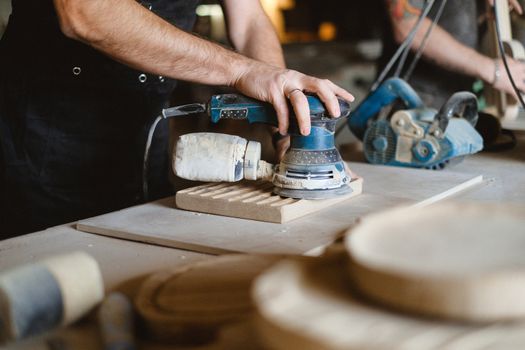
- Sanding: Use sandpaper to smooth the wood. Start with a coarser grit (like 80 or 120) and gradually move to finer grits (220 or higher).
- Cleaning: Dust and debris can ruin a finish. After sanding, clean the surface with a tack cloth or a damp rag.
2. Choosing the Wrong Finish
Not all finishes are suitable for every project. Consider the following when choosing a finish:
- Wood Type: Different woods absorb finishes differently. Test your finish on a scrap piece first.
- Project Use: For items that will see heavy use, opt for more durable finishes like polyurethane.
3. Applying Too Thick of a Coat
Applying a finish too thickly can lead to drips and an uneven appearance. To avoid this mistake:
- Thin Coats: Apply multiple thin coats instead of one thick coat. Allow adequate drying time between coats.
- Proper Tools: Use good quality brushes or foam applicators for an even application.
4. Ignoring Drying Times
Patience is vital in finishing. Rushing the drying process can lead to smudges and defects. Here’s how to ensure proper drying:
- Follow Instructions: Always read and follow the manufacturer's instructions for drying times.
- Environment: Ensure your workspace is well-ventilated and at an appropriate temperature for drying.
5. Failing to Test First
Testing your finishing techniques on a scrap piece of wood can save you from costly mistakes. Here’s how:
- Test Finishes: Try out different finishes on scrap wood to see how they look and feel.
- Test Techniques: Experiment with application methods to find what works best for your project.
Essential Tools for Wood Finishing
You don’t need a lot of fancy tools to achieve a great finish. Here are some basics to get started:
- Sandpaper: Various grits for surface preparation.
- Brushes: Quality brushes for application.
- Tack cloth: For cleaning dust.
- Finishing rags: For applying oil finishes or wiping off excess.
- Safety Gear: Masks and gloves to protect from fumes and dust.
Using Resources Like Ted Woodworking
For those looking to improve their woodworking skills, Ted Woodworking offers a vast collection of plans that can guide you through various projects, including surface finishing techniques. Utilizing detailed plans can help build your confidence and knowledge in woodworking.
Conclusion
Wood finishing is an art that requires practice and patience. By avoiding these common mistakes, you can achieve a beautiful finish that enhances your woodworking projects. Remember to take your time, test your methods, and enjoy the process.
FAQ
What is the best finish for beginner woodworkers?
Water-based polyurethane is often recommended for beginners due to its ease of use and quick drying time.
How long should I wait between coats of finish?
It typically depends on the finish you are using, but a good rule of thumb is to wait at least 2-4 hours between coats for most finishes.
Can I use a spray finish instead of a brush?
Yes, spray finishes can provide a smooth application, but make sure to practice and work in a well-ventilated area to avoid overspray and inhalation of fumes.
📚 Related Articles
🔨 Want 16,000+ Woodworking Plans?
Get instant access to step-by-step plans with blueprints and cut lists.
Get Instant Access →