How to Build Your Woodworking Tool Collection on a Budget
Building a woodworking tool collection can be daunting, especially when you want to stick to a budget. Power tools are often the most expensive part of a woodworking setup, but with careful planning and smart choices, you can create an effective collection without breaking the bank. In this guide, we will explore essential power tools, common mistakes to avoid, and troubleshooting tips to help you make the most of your investments.
Start with the Essentials
When building your collection, focus on essential power tools that will allow you to tackle a variety of projects. Here are some key tools to consider:
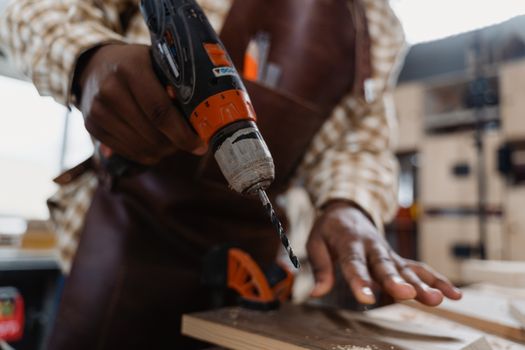
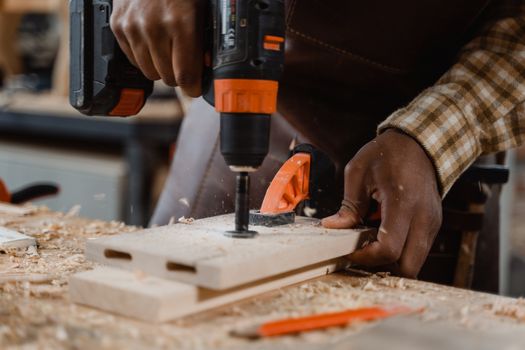
- Cordless Drill/Driver: This is a must-have for any woodworking project. Look for a model with a good battery life and multiple speed settings.
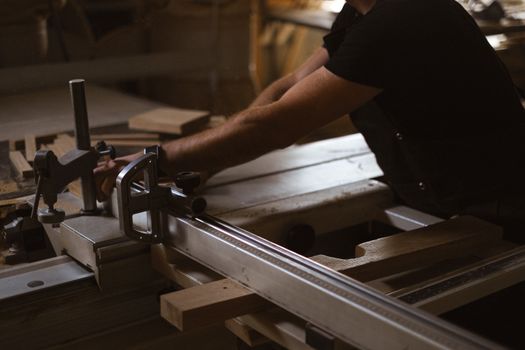
- Table Saw: A table saw is invaluable for making precise cuts. Consider a portable model that fits your budget and workspace.
- Jigsaw: Great for making curved cuts and intricate designs, a jigsaw is versatile and often more affordable than a band saw.
- Router: A router can add decorative edges and grooves to your projects. Invest in a good-quality router for the best results.
- Orbital Sander: Achieving a smooth finish is crucial in woodworking, and an orbital sander speeds up the process significantly.
By starting with these essential tools, you can tackle a wide range of woodworking projects while keeping costs manageable.
Common Mistakes to Avoid
When building your woodworking tool collection, it's easy to make mistakes that can lead to unnecessary expenses. Here are some common pitfalls and how to avoid them:
- Buying Tools You Don’t Need: Many beginners fall into the trap of purchasing tools that seem cool but aren’t necessary for their current projects. Make a list of projects you want to tackle, and only buy tools that will help you complete them.
- Ignoring Quality: It's tempting to go for the cheapest option available, but lower-quality tools can lead to frustration and extra costs down the line. Look for reputable brands that offer good warranties and customer support.
- Overlooking Used Tools: Many experienced woodworkers sell their tools at a fraction of the original price. Check out local classified ads, garage sales, or online marketplaces. Just ensure that the tools are in good working condition before buying.
- Neglecting Safety Gear: Don’t forget to invest in safety gear, such as goggles and ear protection. Protecting yourself should always be a priority.
- Not Researching Plans: Before starting any project, it’s essential to have a solid plan. Resources like Ted Woodworking offer a wide range of plans that can help you visualize your project and make informed tool purchases.
Smart Purchases
When you’re ready to buy tools, consider the following tips to save money:
- Look for Sales: Keep an eye on seasonal sales, holiday discounts, or clearance events at home improvement stores. You can often snag quality tools at reduced prices.
- Join a Tool Library: Some communities have tool libraries where you can borrow tools for a short period. This is a great way to try out a tool before making a purchase.
- Buy Multi-Tool Options: Some manufacturers offer multi-tools that combine several functions into one tool, saving you money and space.
- Consider Renting: For tools you may only use occasionally, consider renting them instead of buying. This can be a cost-effective solution for larger or specialized tools.
- Check for Refurbished Tools: Many manufacturers sell refurbished tools that work like new but at a lower price. Just ensure they come with a warranty.
Troubleshooting Tips
Even with the best tools, you may run into issues while woodworking. Here are some common problems and their solutions:
- Drill Not Charging: If your cordless drill isn’t charging, check the battery contacts for dirt or corrosion. Clean them carefully and ensure you're using the right charger.
- Table Saw Blade Binding: If the blade binds while cutting, it could be dull or misaligned. Regularly check and replace the blade as needed, and ensure the alignment is correct.
- Sanding Uneven Surfaces: If your sander isn’t smoothing surfaces as expected, check the sandpaper grit. Using too coarse or worn-out paper can lead to uneven finishes.
- Router Not Starting: Ensure the router is plugged in and check the power switch. If it still doesn’t start, inspect the cord for damage.
- Jigsaw Not Cutting Straight: If your jigsaw is cutting at an angle, it may be due to a dull blade or incorrect speed settings. Always use the right blade for the material and ensure it’s sharp.
Conclusion
Building your woodworking tool collection on a budget is entirely possible with careful planning, smart purchasing, and avoidance of common mistakes. By focusing on essential power tools and leveraging resources like Ted Woodworking for plans, you can create a versatile workshop that allows you to bring your woodworking ideas to life. Remember to prioritize quality, safety, and the right tools for your specific needs.
FAQs
- What are the must-have power tools for beginners? A cordless drill, table saw, jigsaw, router, and orbital sander are essential for most beginner projects.
- How can I save money on power tools? Look for sales, consider used tools, rent tools you won’t use often, and check for refurbished options.
- Where can I find woodworking plans? Websites like Ted Woodworking offer a variety of plans suitable for all skill levels, helping you visualize your projects effectively.
📚 Related Articles
🔨 Want 16,000+ Woodworking Plans?
Get instant access to step-by-step plans with blueprints and cut lists.
Get Instant Access →