Introduction
As an aspiring woodworker, the right tools can make all the difference between a project that looks amateurish and one that has the precision and professional finish that impresses. While building a comprehensive toolkit can be expensive, there are several affordable power tools that can help you achieve your woodworking goals without breaking the bank. This article will focus on the essential tools you need for advanced techniques, especially in joinery, precision work, and finishing touches.
Essential Affordable Power Tools
Here are some of the most affordable power tools that will set you on the right path to becoming a skilled woodworker:
1. Circular Saw
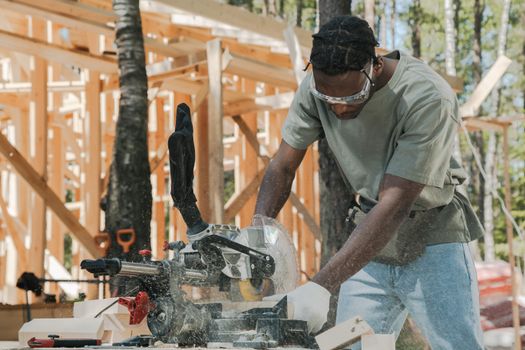
A circular saw is a versatile and essential tool for any woodworker. It allows for precise straight cuts, which are fundamental when preparing your materials for joinery. Here are some features to look for:
- Adjustable depth settings: This feature helps you control the depth of your cuts, which is especially important for joinery.
- Laser guide: A laser guide can enhance your precision by providing a visual line for cutting.
Brands like Ryobi and DeWalt offer reliable models that won't strain your budget.
2. Jigsaw
The jigsaw is perfect for making curved cuts and intricate designs, which are often essential for decorative joinery and shaping. Its affordability makes it a staple in many workshops. Look for a model with:
- Variable speed control: This allows for greater control over cutting speeds, which is important for different materials.
- Orbital action: This feature improves cutting efficiency and smoothness.
Brands like Bosch and Black+Decker provide excellent options that balance cost and performance.
3. Router
For achieving professional finishes and decorative edges, a router is an indispensable tool. It can also be used for hollowing out areas in wood, which is beneficial for joinery. When shopping for a router, consider:
- Fixed and plunge bases: A router with both bases will give you versatility in your projects.
- Variable speed settings: Control over speed is crucial for different bits and applications.
Look into brands like Ryobi and Makita for budget-friendly models.
4. Power Drill/Driver
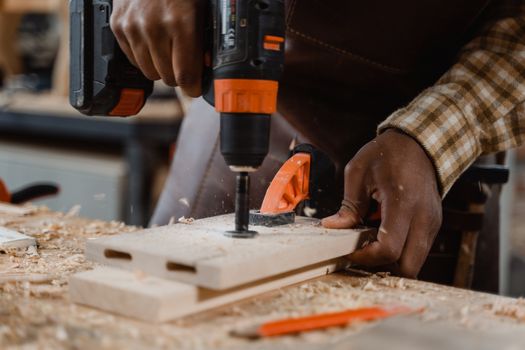
A power drill/driver is essential for drilling holes and driving screws, which are fundamental tasks in woodworking. When selecting a drill, focus on:
- Battery life: A drill with a longer battery life will allow you to work uninterrupted.
- Torque settings: Adjustable torque settings can help prevent overdriving screws and damaging your work.
Brands like Milwaukee and Craftsman have affordable options that provide good performance.
5. Sander
A sander is necessary for achieving a smooth finish on your projects. Whether you choose a random orbit sander or a detail sander depends on your specific needs. Consider:
- Dust collection: A sander with a dust collection bag can keep your workspace cleaner.
- Interchangeable sanding pads: This feature allows for versatility in sanding different surfaces.
Check out brands like Porter-Cable and Ryobi for budget-friendly models.
Joinery Techniques and Power Tools
With the right tools, you can explore various advanced joinery techniques that elevate your woodworking projects. Here are some techniques to consider:
1. Pocket Hole Joinery
Using a pocket hole jig, which can often be found at an affordable price, allows you to create strong joints with hidden screws. This method is ideal for frames and cabinets.
2. Dovetail Joinery
A router can help you create precise dovetail joints, which are not only strong but also add a decorative element to your projects. Consider using dovetail jigs for added accuracy.
3. Mortise and Tenon Joints
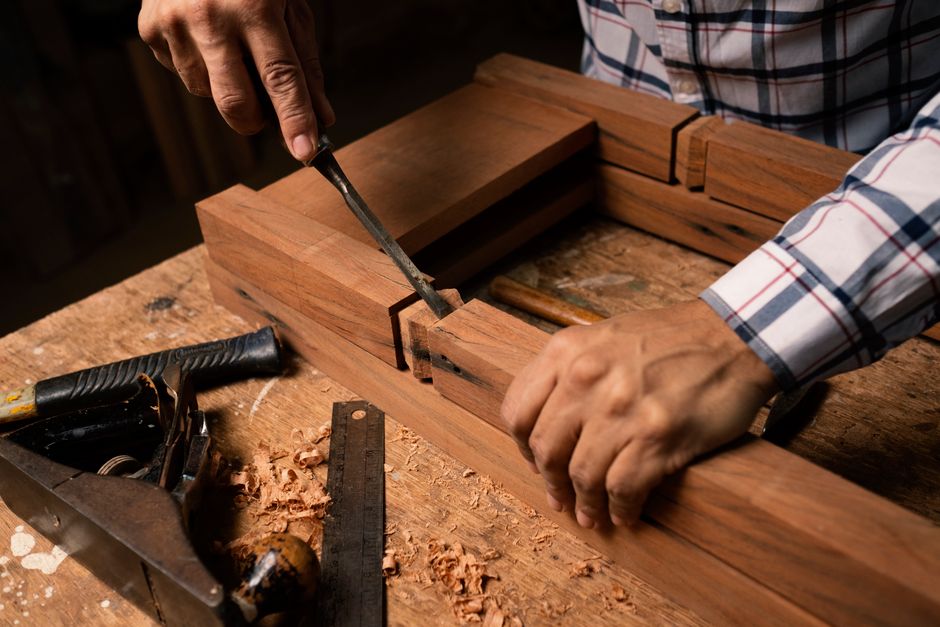
This traditional joinery technique can be achieved using a router or drill press. Mastering this method will add strength and durability to your furniture pieces.
Finishing Touches
Achieving a professional finish is often what separates amateur woodworking from high-quality craftsmanship. Here are some tips for finishing your projects:
- Choose the right sander: Use a random orbit sander for large surfaces and a detail sander for intricate areas.
- Test your finishes: Always test stains and finishes on scrap wood before applying them to your project.
- Multiple coats: Don’t hesitate to apply multiple coats of finish for depth and protection.
For comprehensive woodworking plans that can guide you through various projects, consider resources like Ted Woodworking. Their plans can help you utilize your power tools effectively and ensure you achieve the desired outcomes.
Conclusion
Investing in affordable power tools is a wise choice for aspiring woodworkers. By selecting the right tools and mastering advanced techniques in joinery and finishing, you can create beautiful and professional-looking furniture pieces. Remember, quality craftsmanship comes from practice, patience, and the right resources.
FAQs
1. What power tools should I buy first as an aspiring woodworker?
Start with a circular saw, jigsaw, power drill/driver, router, and a sander. These tools will cover most of your basic woodworking needs.
2. How can I ensure precision in my woodworking projects?
Use tools with adjustable settings, such as variable speed controls and laser guides, and practice advanced joinery techniques to improve accuracy.
3. Are expensive power tools worth the investment?
While expensive tools often come with better durability and features, many affordable options perform well for beginners. Focus on quality and functionality over brand names.
📚 Related Articles
🔨 Want 16,000+ Woodworking Plans?
Get instant access to step-by-step plans with blueprints and cut lists.
Get Instant Access →